
 Lawn rust is a common fungal lawn disease that can turn normally healthy green grass an unpleasant shade of yellow.
It can quickly spread and, because it interferes with the ability of plants to photosynthesise and grow, cause turf to weaken and thin.
Lawn rust is most commonly found during humid weather in spring, late summer or autumn, and in lawns that are stressed, underfed or improperly watered.
At its worst, lawn rust can result in dieback, leaving bare patches that will need to be repaired.
Fortunately, it is one of the easiest diseases to get rid of, especially when addressed early on.
The first step in treating lawn rust is identification.
How to Identify Lawn Rust
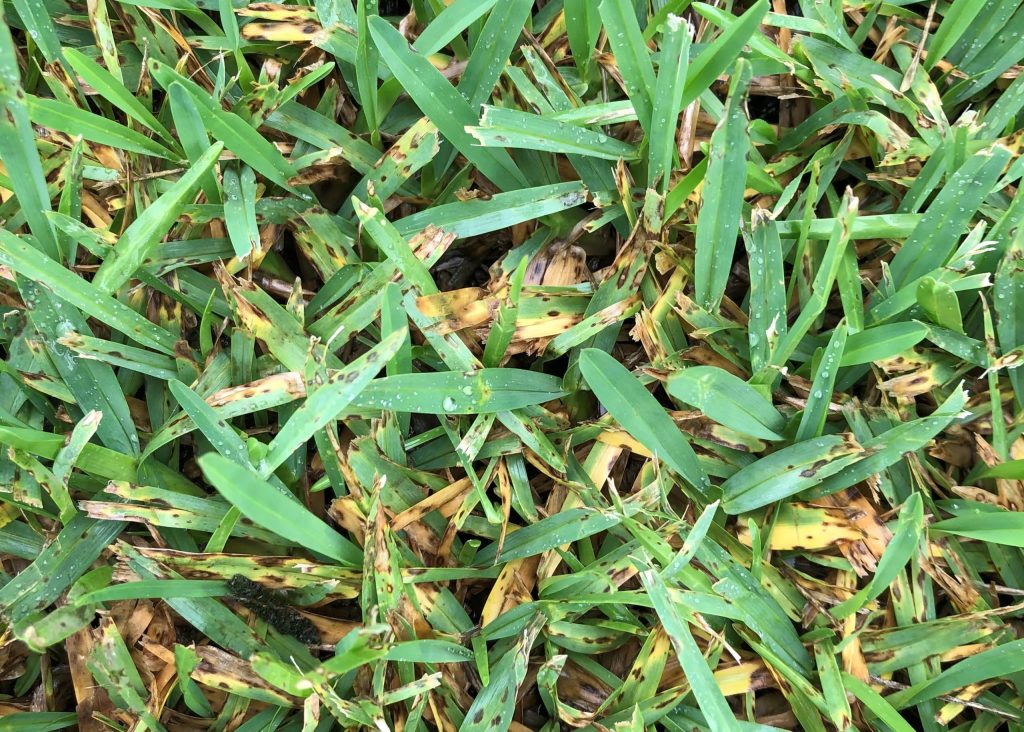
Lawn rust can seemingly appear overnight. It starts off as yellowing of the grass blades, developing as patches of orange to brown dust on the leaf. If you gently rub an infected leaf between your fingers, the powdery dust will come off, but the leaf remains discoloured.
In advanced cases of lawn rust, orange pustules can appear on the blade. They may turn black as winter approaches and will eventually burst, releasing numerous spores.
The tiny spores can spread easily on the wind or by sticking to shoes, clothing, garden tools, pets and even insects.
All grass types can develop lawn rust, although some are affected more than others.
How to Remove Lawn Rust
There are several methods for treating lawn rust. In most cases, it can be fixed in a matter of weeks by changing how the lawn is managed.
There are three things you can do:
- Apply a quick-release nitrogen-rich fertiliser to stimulate leaf growth.
- Provide deep watering at longer intervals.
- Mow frequently to the optimum length for the variety. Then bag the clippings and put them in the bin, not on the compost heap.
If all else fails, there are several fungicides that can be used as a lawn rust treatment. myhomeTURF recommends products containing the active ingredient mancozeb, which should always be applied according to the directions on the label.
How to Prevent Lawn Rust
Ensuring you have a strong, healthy lawn provides the best defence against attacks from pests and diseases like lawn rust.
Water Your Lawn
 Most varieties need about 2.5cm-4cm of water each week from rainfall or irrigation. But rather than watering grass frequently for short periods, get into the habit of giving it a good soaking less often. Lawns don’t need daily watering, so try pushing it out two or three times a week.
Turf will tell you when it needs water – look for slight curling of the leaves which might appear faded. If you’re not sure, try walking across the lawn. If it needs water you’ll be able to see footprints where you’ve been. If the blades spring back into the shape it’s a sign the grass has access to enough moisture.
Deep watering encourages the roots to grow deeper, making the plants more resistant to dry periods, so aim to get water into the soil below the root zone, to a depth of 15-20cm.
When using automatic sprinklers, regularly double-check they’re delivering the right amount of water – not too little and not too much – and there are no overlaps or missed areas.
Warm, cloudy and humid weather, or even cool nights with heavy dew or frequent rain that keeps the grass damp, can encourage fungal diseases like lawn rust.
If you can, set the timer to water lawns in the morning, not at night. This gives grass the opportunity to absorb water before it evaporates and dry off any excess during the day.
Fertilise Your Lawn
 A vigorously growing lawn that receives regular applications of nitrogen-based fertiliser will be much more resistant to fungal diseases like lawn rust.
Aim to feed the lawn four times a year.
Twice in spring and again in late summer and autumn, with a slow-release product suited to the variety and soil types it’s growing in.
Mow Your Lawn
As a rule of thumb, mowing should remove only one-third of the grass.
 Regular mowing encourages better air circulation and can stop the disease in its tracks. Use a catcher or rake up clippings and dispose of them to prevent the disease from developing under the clumps.
Trim trees or shrubs that hang over the lawn to improve airflow and expose the grass to sunlight.
If thatch is thick, break it up with a thatching rake and use an aerator to reduce soil compaction. This makes it easier for water and fertiliser to reach the roots and stops water from sitting on top where it can encourage fungal diseases like lawn rust.
There are more mowing tips here and here.
Last but not least, maintain good garden hygiene by regularly cleaning mower blades and other garden tools which can transfer disease.

 Shade
Shade Maint.
 Drought
 Wear
Wear $12–$18/m²