 When choosing a fertiliser, it’s always best to first know your lawn variety and size.
Knowing these two points will guide you on the way to selecting an appropriate fertiliser and the required amount. Fertiliser recommendations for lawns are based on the amount of nitrogen, phosphorus and potassium (NPK) a lawn needs in a year.
Why Do I Need to Fertilise?
 Fertilising is one of the best things you can do to prepare your lawn for every season as it makes it strong and healthy and ready for any conditions that lie ahead.
First knowing if your soil is lacking in any nutrients is very important and helps you select a suitable lawn fertiliser.
Like all plants, your lawn draws its nutrients from the soil, so we need to apply fertiliser to replace those major nutrients (NPK). It’s also important to keep your lawn’s nutrient levels in balance. Too much or too little of any element can cause problems.
Unsure about the “health” of your lawn? Then a simple soil test helps you understand the quality of your soil so you can make better-informed decisions when it comes to choosing the right fertiliser.
Soil testing kits can be purchased at your Local Garden Centre.
So what are you looking for? A pH value of over 7 indicates you have alkaline soil and your lawn needs phosphorus (P) and potentially iron (Fe). A pH level that falls below 7 indicates your soil is acidic and needs potassium (K) and potentially magnesium (Mg).
By understanding your soil quality and pH results, you’ll be able to choose the right fertiliser for your lawn according to the nutrients it requires.
All fertiliser labels clearly state the different levels of NPK they have.
Dangers of Over-Fertilising Your Lawn
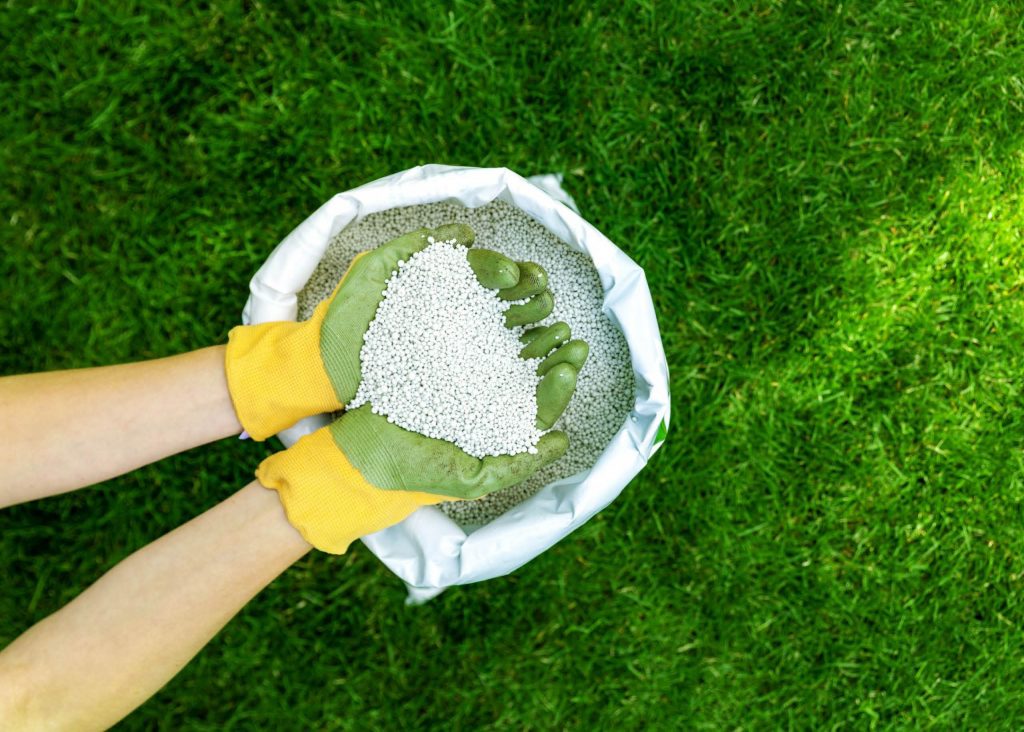 Most fertilisers are composed of mineral salts, which draw water out of the soil. In large quantities fertiliser can also do the same to lawn, causing it to dry out and turn yellow – commonly known as fertiliser burn.
If you have a dog, you might also notice small patches of lawn that are a darker green and grow faster than the rest or turn yellow.
Dog urine is high in nitrogen and can be concentrated enough to burn your lawn, just as applying too much fertiliser will.
Signs of an Over Fertilised Lawn
Surprisingly, some of the symptoms of an over fertilised lawn are like the signs of deficiency.
The damage might be limited to a small area, or it can cover a large area if you’ve accidentally overlapped when spreading fertiliser.
Symptoms of an over fertilised lawn include:
- Yellowing or browning.
- Slower than expected growth.
- Streaks on the leaf blade where it met the fertiliser.
- Black withered roots.
- A white crust on the surface or around the edges of your lawn.
Using a Quality Fertiliser
In short, there are three main elements required to properly feed and fertilise your lawn effectively and efficiently, they are Nitrogen, Potassium and Phosphorus.
So, before choosing the best fertiliser you must understand what these three elements do:
Nitrogen (N) – gives your lawn its rich, green colour and creates strong, sturdy leaves.
Potassium (K) – works with N to make the roots and foliage stronger. It gives your lawn a greater chance of resisting drought, wear and tear as well as pests and diseases.
Phosphorus (P) – works underground making your lawn’s roots strong, especially heading into winter.
A good quality fertiliser contains all the main elements (NPK) that your lawn requires and is suitable for your lawn type.
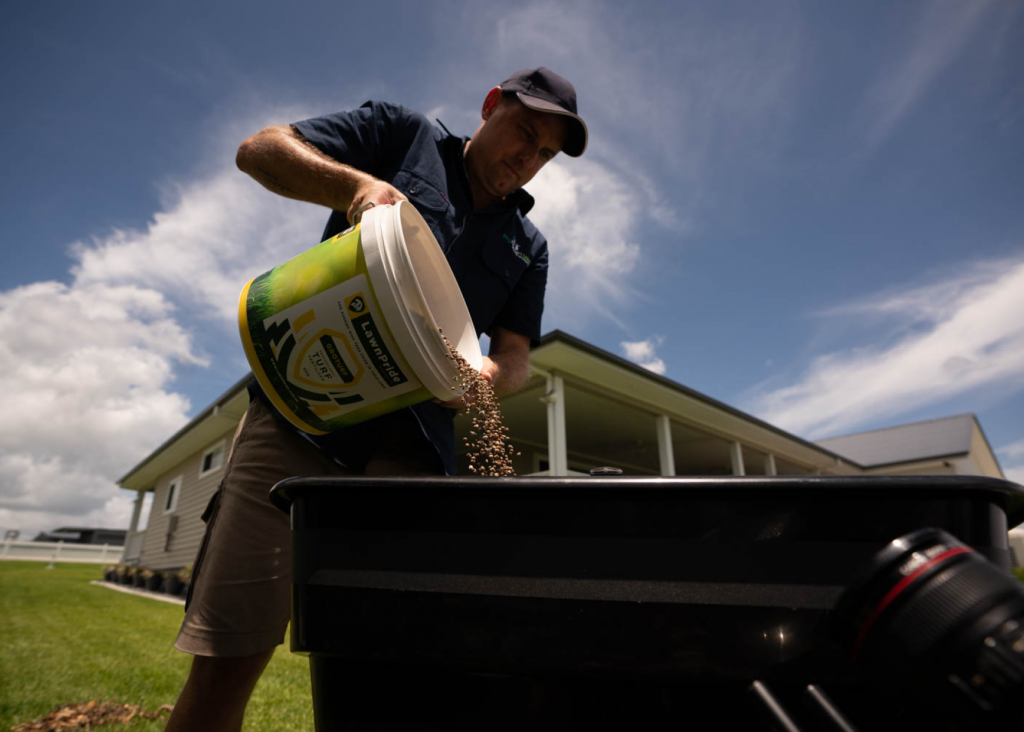
Good quality fertilisers can either be liquid or granular depending on your budget and lawn’s requirements.
Measuring Your Lawn
Knowing how much fertiliser to add to your lawn is easy. myhomeTURF’s Easy Turf Calculator (below) helps you calculate your lawn’s size so you can work out how much fertilise to apply.
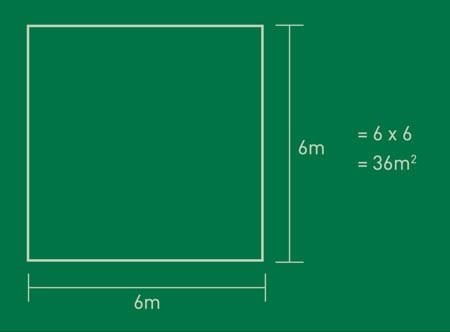 Square and Rectangle. Calculating the area for a square or rectangle yard is very simple. Get the overall width and the overall length of the square or rectangle, multiply the two and the result is the area for the square or rectangle. For example, a Square: 6m (wide) x 6m (length) = 36m2 For example, a Rectangle: 6m (wide) x 4m (length) = 24m2
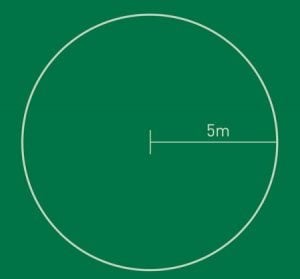 Circle. To calculate the amount of fertiliser you need in square metres (m2) for a round yard, measure the radius of the circle and multiple the (radius x radius) x 3.14. For example, radius of 5m (5 x 5) x 3.14 = 78.5m2
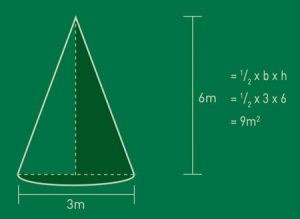 Triangle. Calculating the area for a triangle yard is done by getting the overall width and the overall length of the triangle, multiply the two and divide by half and the result is the area for the triangle.
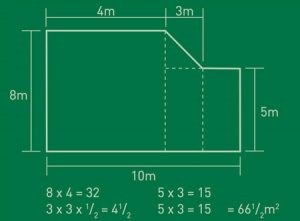 Shapes. The area of a shaped yard can be determined by simply breaking the shape into a set of squares, rectangles or triangles. Find the individual area and add them to give you the total area of the shape.
Determining How Much Fertiliser is Needed
Fertiliser recommendations for lawns can be confusing to the average homeowner.
Some easy steps will help you out:
- Calculate the amount of fertiliser you’ll need by measuring your lawn size in square meters (refer to Measuring your lawn above).
- Read the application rate on the fertiliser label to see how much to apply per square meter. Most fertilisers have an application rate of either kg or ml per 100m2:
For granular it will be in grams or kilograms/100m2
For liquid, it will be in millilitres or litres/100m2
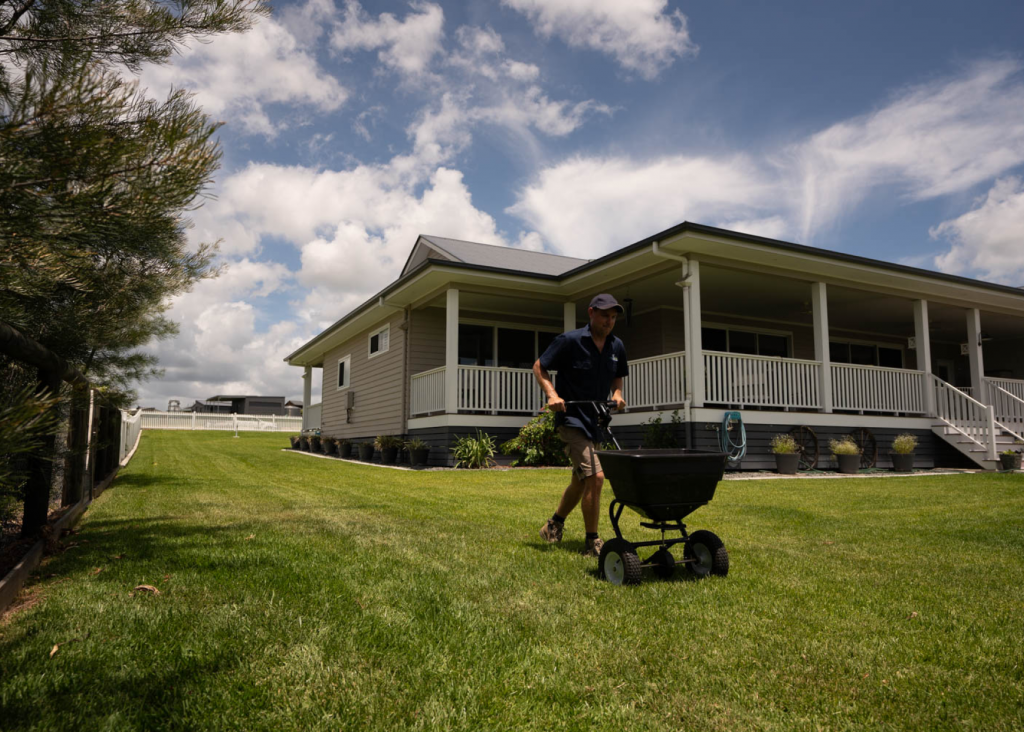
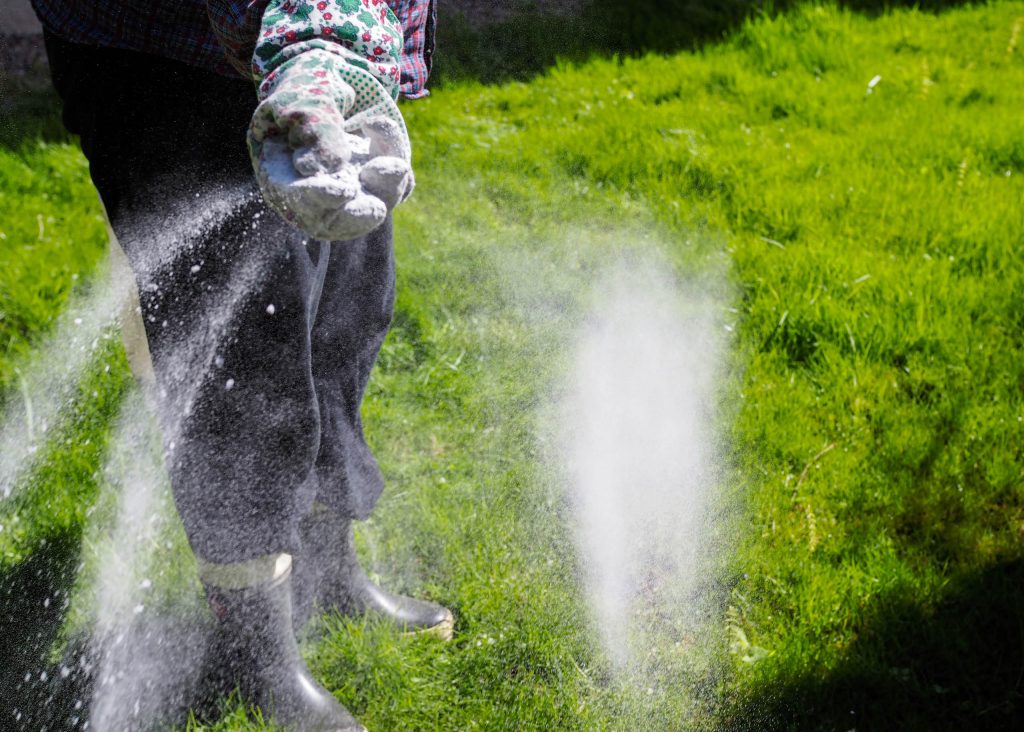
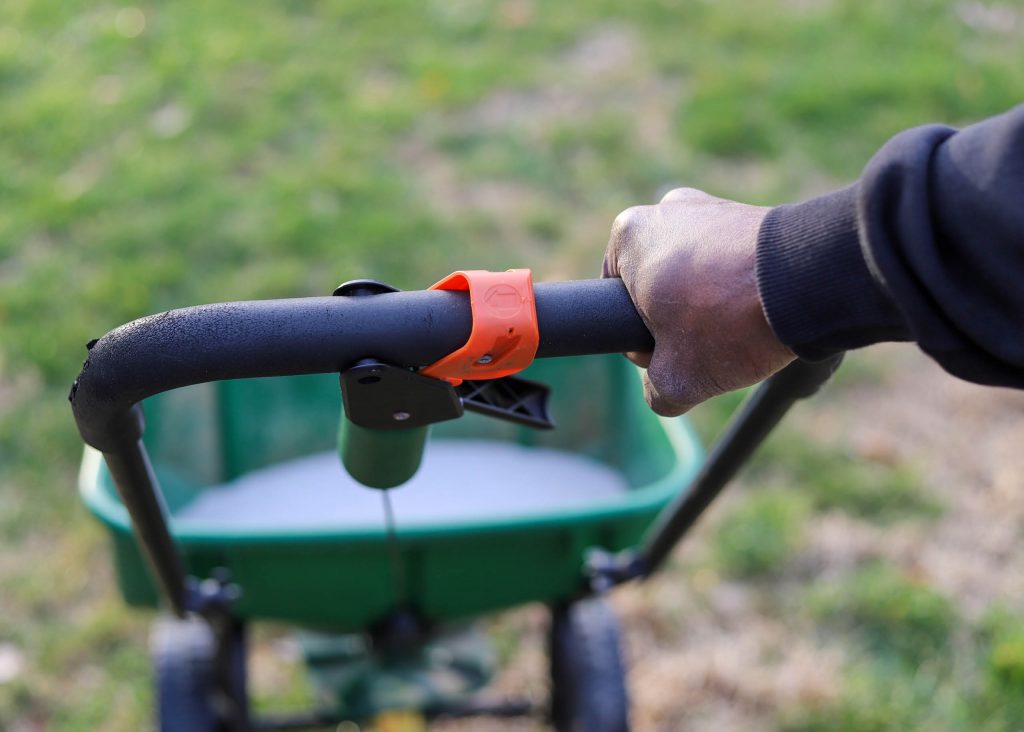
- For granular fertiliser, then add the appropriate quantity to your hand or push spreader.
- For liquid fertiliser, read the label for how much fertiliser and water to mix with your spray kit. If it is a hose on fertiliser – connect to your hose end.
As with all lawn products please read the label on the product first before applying and make sure it is suitable for your lawn variety.
Conclusion
 When it comes to lawns, applying too much fertiliser can be as bad as not applying enough. As well as being a waste of time and money, excess fertiliser can damage your lawn and leach into groundwater, creeks and rivers, affecting water quality.
So, knowing your lawn type and size makes it much easier when choosing the right fertiliser and measuring how much to then apply to your lawn.
Visit our myhomeTURF online shop which has a wide range of fertilisers for you to browse. If you are unsure what fertiliser is right for you, read myhomeTURF’s Concise Lawn Fertiliser Guide.
Recommended Products
LawnPride Maintain 26-2-9 + 3.4 Fe 20kg

Lawn Pride Maintain 26-2-9 + 3.4 Fe 20kg is one of the most popular granular all-round lawn fertilisers on the market with the active ingredients of Nitrogen (N – 26), Phosphorus (P – 2), Potassium(K – 9) and Iron (Fe – 3.4). Suitable for Zoysia, Kikuyu, Couch and Buffalo grasses. Always read the safety directions and instructions on the product label before use.
Shop NowLawnPride GroTurf 20kg 15-4-11 + Traces
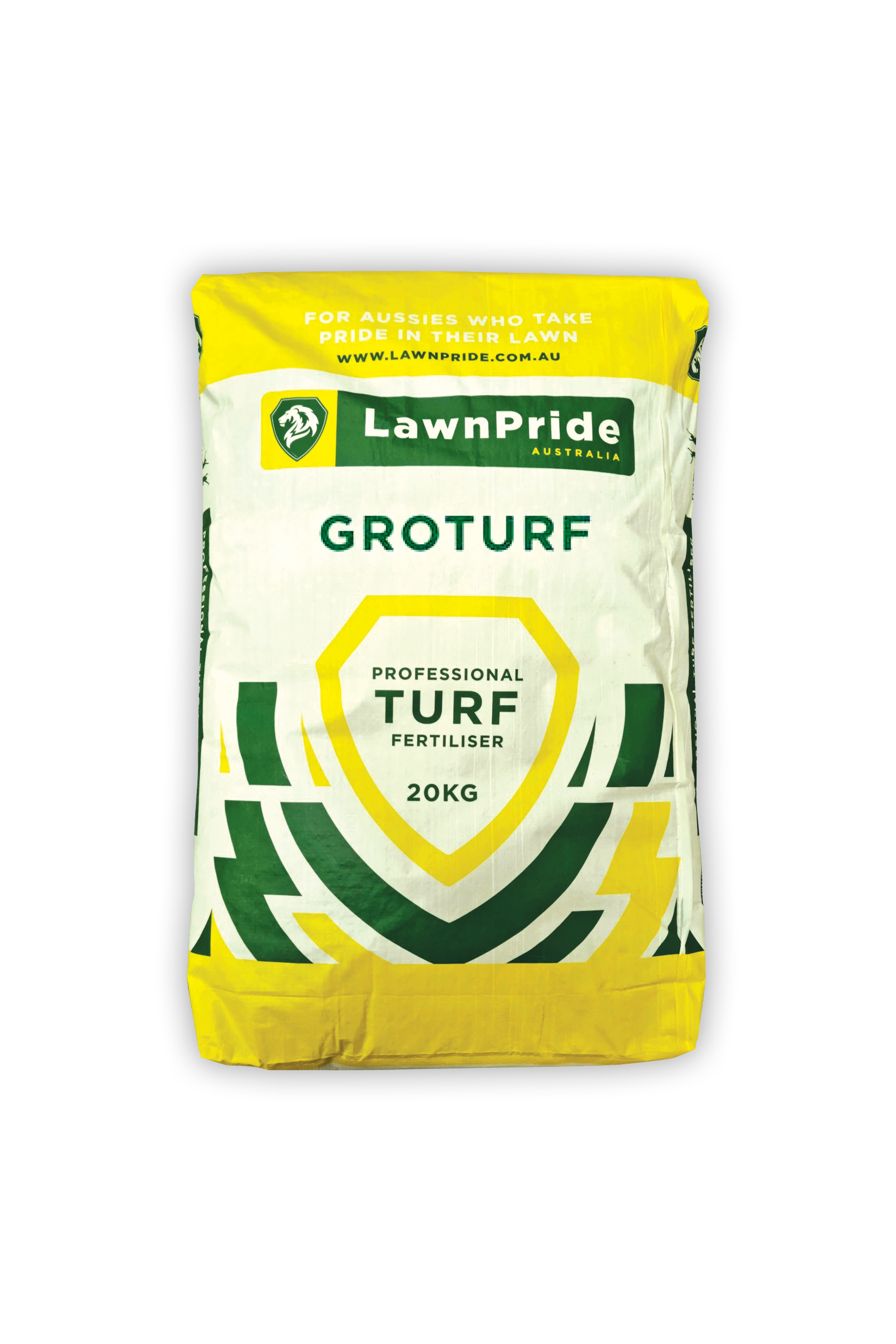
LawnPride Groturf 15-4-11 + Traces 20kg is an instant release granular fertiliser designed to initiate rapid growth of your lawn thanks to extra trace elements that build up your soil’s nutrients. Suitable for Zoysia, Kikuyu, Couch and Buffalo grasses. Always read the safety directions and instructions on the product label before use.
Shop Now