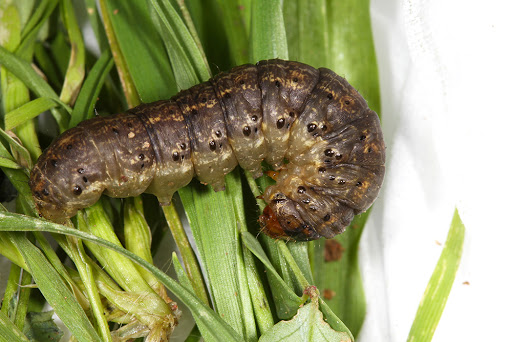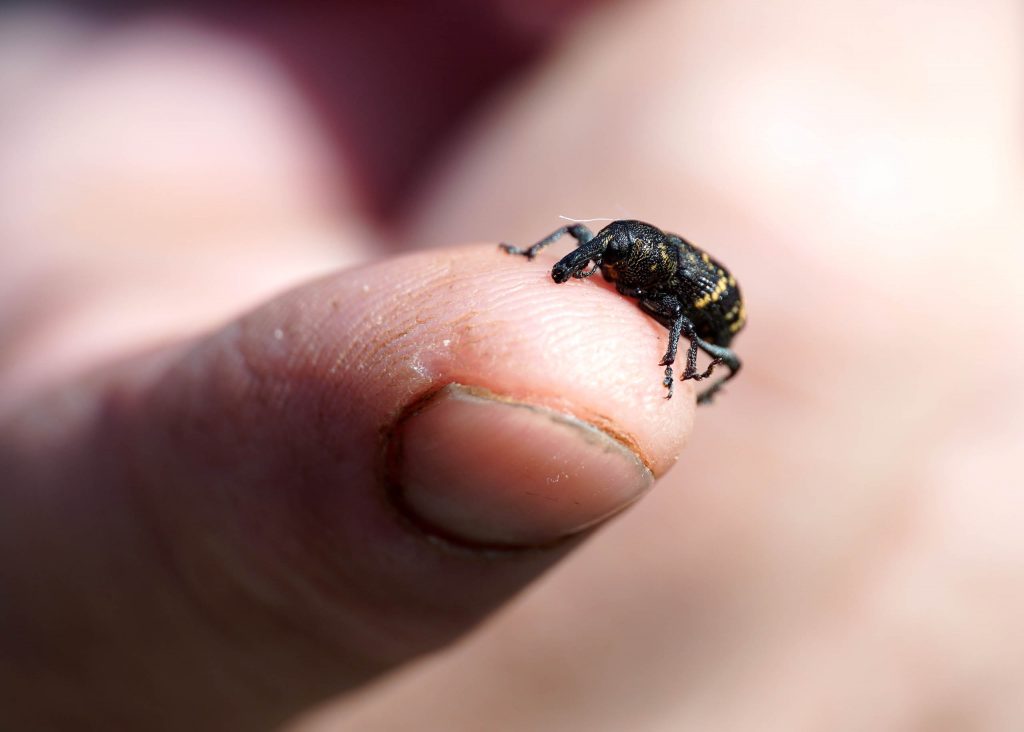
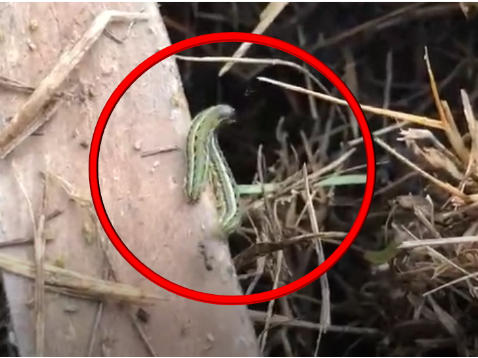
Fall Armyworm (Spodoptera frugiperda) is a significant pest that poses a serious threat to home lawns across Australia. Like other predatory beetles that threaten our lawns, Fall Armyworm can travel long distances quickly and have a huge appetite, meaning they can devastate a home lawn within days.
Originally native to the Americas, this invasive species has spread rapidly across multiple continents, including Australia, where it was first detected in early 2020.
Due to the warm Australian climate, Fall Armyworm has become increasingly common, and can currently be found in every state and territory excluding South Australia and Tasmania. And while these super pests are increasingly tolerant to commercially available insecticides, we’ve got the sure-fire remedy to stop them in their tracks if you see them, and keep them from ever returning.
What Are Fall Armyworms?
Fall Armyworm caterpillars can vary in colour, but they typically range from green to brown or black with distinct white stripes along their sides and back. One of the most identifiable features is an inverted ‘Y’ marking on their head. Adult moths are less conspicuous, measuring about 3-4 cm in wingspan with greyish-brown wings.
These pests are notorious for their rapid life cycle, which includes four stages: egg, larva (caterpillar), pupa, and adult. In warm weather conditions, the entire cycle can be completed in as little as 30 days.
Female moths lay eggs in clusters on grass blades or plants and within just a few days, these eggs hatch into hungry caterpillars that begin feeding on your lawn.
In a matter of weeks, they mature, pupate in the soil, and emerge as adult moths to restart the cycle.
How to Identify Fall Armyworms in Your Lawn
Catching a Fall Armyworm outbreak early is essential, as their ravenous appetites can destroy a lawn if they’re left unchecked.
Keep an eye out for:
1. Sudden, isolated die off
This will materialise as patches struggling to maintain a lush green condition, or patches that die off entirely.
2. Lawn thinning
As the worms attack the roots of the plant, the leaves above will wilt and die leading to a thinner canopy.
3. Bug activity above the surface
If you notice caterpillars above the surface there’s a good chance there’s dozens more under the surface that you can’t see! You can entice lawn beetles to the surface using the ‘soapy water test’, where you fill a bucket with water and dishwashing detergent and pour it over a section of the lawn. The huge amount of soapy water will force the bugs to the surface and give you an idea as to the size of the population.
4. Increased bird or wasp activity
Birds will be seeking out the bugs to eat, while the parasitic wasps will be looking to prey on bugs to lay their eggs in.
How to Control Fall Armyworms in Your Lawn
Chemical Control
Given how quickly Fall Armyworm (and indeed, all lawn pests) can devastate your proud patch of turf, the best way to address the problem is quickly which entails the use of chemical insecticides.
Any product containing Bifenthrin like Rumbler 100SC is registered to kill common lawn pests including Fall Armyworm. It’s a serious chemical though, and needs to be applied using the appropriate protective equipment, and inline with the manufacturer’s recommendations.
Once the outbreak has been neutralised you can protect against further lawn pest outbreaks by using a product like Acelepryn that provides residual protection from lawn bugs for up to six months. Apply Acelepryn at the start of Spring to cover you through Spring and Summer, and then again in Autumn to protect you through Autumn and Winter.
Natural Control Methods
Natural control methods are possible, but they’re infinitely more labour intensive than using insecticides and can’t guarantee effective knockdown, nor provide any residual protection. It’s possible to rely on natural predators to manage adult populations, but this won’t do anything about the larvae.
Neem Oil has been shown to affect caterpillar feeding and development, but again, is hardly effective for egg and larvae populations below the surface.
Control Fall Armyworms in Your Lawn with myhomeTURF
Fall Armyworm infestations can be devastating to home lawns in Australia, but with the right approach, they can be managed effectively. Like all lawn pests, the presence of one or two beetles isn’t an infestation and the ecosystem relies on a manageable number of pests and grubs to function effectively, but the right products will allow you to respect these ratios and provide protection for your lawn.
For more information on leading pesticide treatments for your home lawn, visit myhomeTURF’s online store.