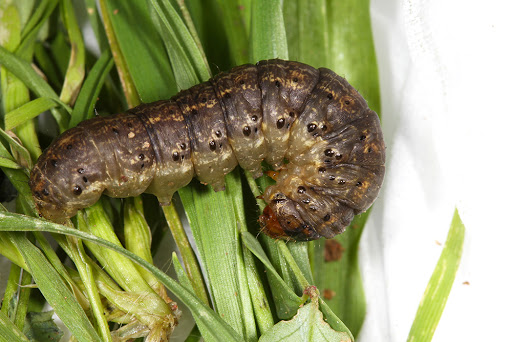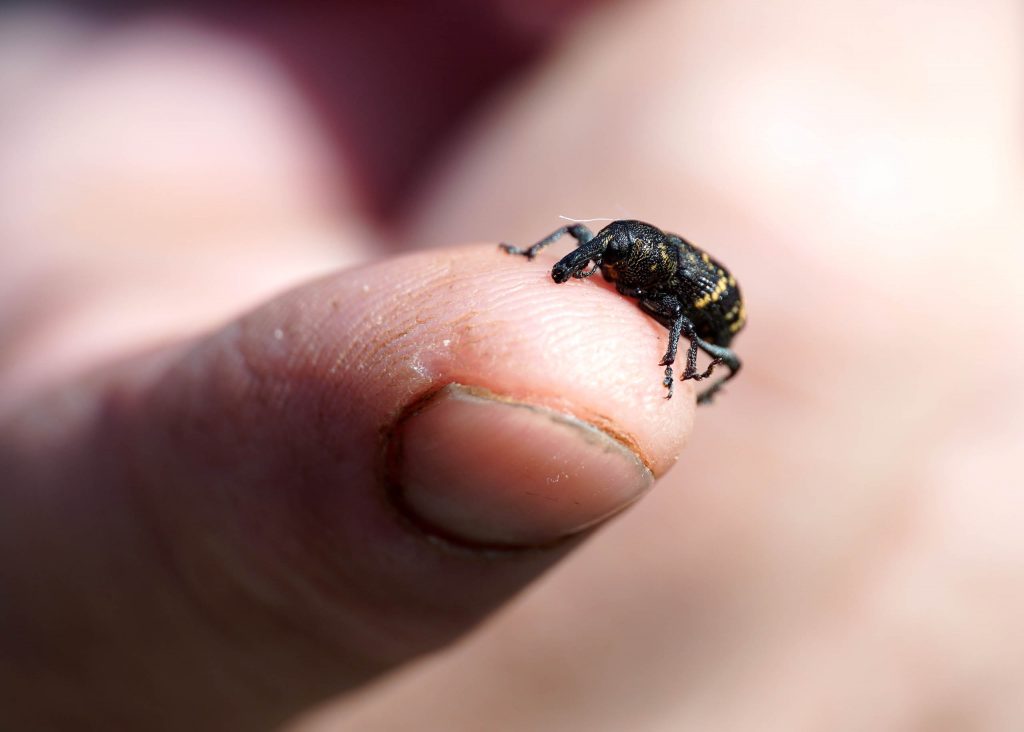

Scientific name: Heteronychus arator.
Originating from southern Africa, Black African Beetles are one of Australia’s most common lawn pests. And while they are an integral part of our ecosystem, they can wreak havoc on your lawn if left untreated, no matter what grass type you have. In this guide, we’ll walk you through the best insecticide treatment methods, how to identify them, and how to prevent your lawn from an infestation.
How to Control African Black Beetle in Your Lawn
Insecticides can be an effective method for controlling African black beetles in your lawn regardless of whether you have Zoysia grass, Buffalo grass, Kikuyu, or Couch. That said, it’s important to choose the right products for your grass type and apply it safely. We recommend using either a contact insecticide or a long term residual control.
Best Treatments for African Black Beetle
Acelepryn GR

Acelepryn GR 10kg Bag provides unmatched granular seasonal control against seasonal Long Grub and Caterpillar control in one single application. Acelepryn GR 10kg is suitable for Zoysia, Kikuyu, Couch and Buffalo grasses. Always read the safety directions and instructions on the product label before use.
Shop NowIndigo Rumbler 100SC 5L

Indigo Rumbler 100SC 5L is an effective broad-spectrum insecticide in a suspension concentrate formulation which contains the active ingredient Bifenthrin (100g/L). Indigo Rumbler 100SC is suitable for use on Zoysia, Kikuyu, Couch and Buffalo grasses. Always read the safety directions and instructions on the product label before use.
Shop NowWhen is the Best Time to Apply Insecticides?
African Black Beetle move through your lawn at an alarming rate. If you think you may have an infestation, seek an insecticide treatment as soon as possible to avoid severe damage.
We recommend applying your treatment during the larvae stage when the beetles are at their most vulnerable and are actively feeding on grass roots.
Because African Black Beetle are nocturnal, apply the insecticide late in the day when they are the most active.
Learn more about the best time to apply insecticide here.
How Long Do Insecticides Take to Work?
It may take up to a couple of weeks for the insecticide to eliminate African Black Beetle and suppress their population.
You may want to re- apply the treatment again in two weeks time to ensure you haven’t missed any eggs or larvae that may have hatched since the initial treatment. Be sure to always follow insecticide instructions and advice. If you have any queries, please don’t hesitate to reach out to the myhomeTURF team.
What About Post-Infestation Management?
You’ll need a good fertiliser to ensure your lawn is getting all the nutrients it needs post infestation and pest damage. We recommend the following liquid fertilisers:
What are African Black Beetles?
African Black Beetles typically thrive in regions with warm climates and can range from 10 to 15 mm in length. Their shiny black coloration makes them easily distinguishable, especially during their most prevalent period, which occurs from spring through autumn.
Ironically, while infestations can occur, African Black Beetle can offer a great economic value to your lawn. They burrow through the soil and do a great job of naturally aerating it.
What is the African Black Beetle Lifecycle?
African Black Beetle usually go through an annual generational cycle. They has four life stages:
- Egg (September – November)
- Larval (October – February)
- Pupal (January – March)
- Adult (February onwards)
They will lay their eggs in the soil in spring, and, depending on the temperature, the larvae will then hatch within the next month or two. They will then pupate and transition into their adult stage between December and February. From eggs to adults, the complete life cycle lasts three to four months.
While each of which can cause some type of damage to your lawn, it causes the most damage when it’s in the larval stage. They target the roots of grass, causing irregular brown patches or dying grass.
Do You Have an African Black Beetle Infestation?
Adult African Black Beetle are known to chew through the stems of garden plants below the soil surface or above ground. This causes the growing points of the plant to die, or at the very least, causes it to severely weaken over time.
If your grass is appearing loose or spongey, this likely means that the larvae are feeding and is causing severe root damage. Another telling sign is noticing dry patches around your lawn.
Other signs of an infestation include increased bird activity. This is because birds will feed on the beetles and larvae attracted to the lawn.
How Can I Prevent African Black Beetle in My Lawn?
Overall turf health and a strong root system is the best way to prevent an African Black Beetle infestation.
This includes keeping up with regular lawn maintenance such as proper watering, mowing, and fertilisation to help strengthen your lawn’s defence against pests.
We recommend ensuring your lawn also receives adequate water, particularly during dry periods to prevent stress. This also makes it less attractive to pests.
Additionally, mow your lawn at the appropriate height for your grass type and fertilise accordingly based on the suggested guidelines to promote a strong root development.
Learn more about turf maintenance and lawn care here.
Control African Black Beetle with myhomeTURF
Although African Black Beetle is a valued part of our ecosystem, an infestation can wreak havoc on your lawn. The best treatment requires diligence and a combination of strategies tailored to your lawn specific needs. With a network of local farmers and a wealth of knowledge, the myhomeTURF team can help you control African Black Beetle and other common pests. Visit our myhomeTURF online store for the best treatment methods available.