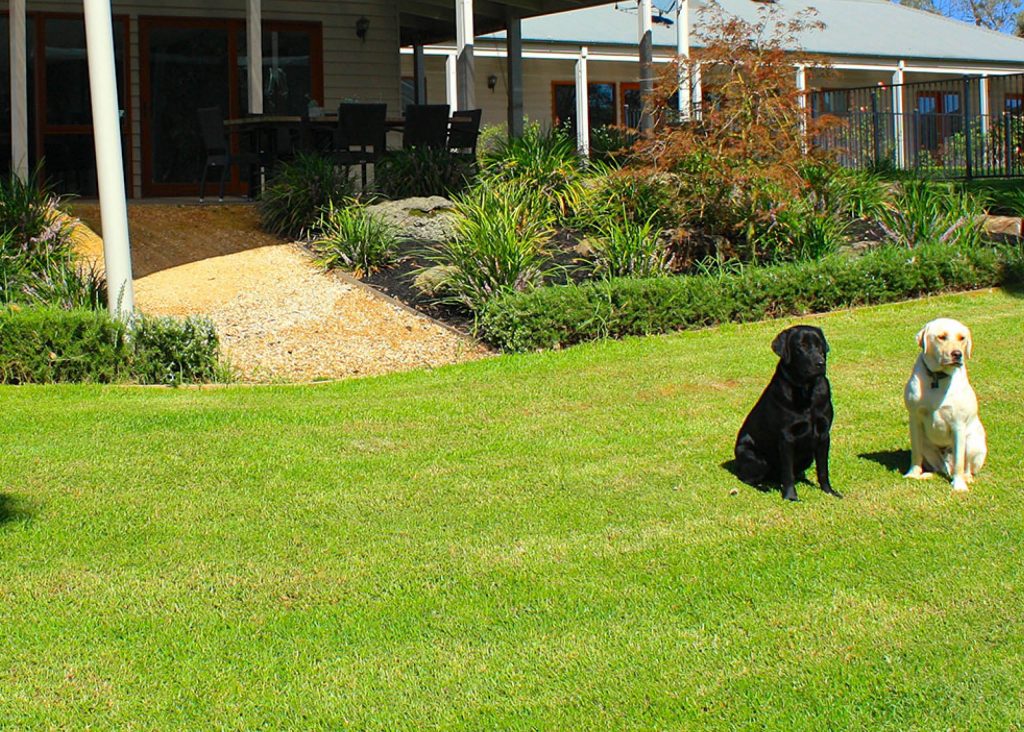
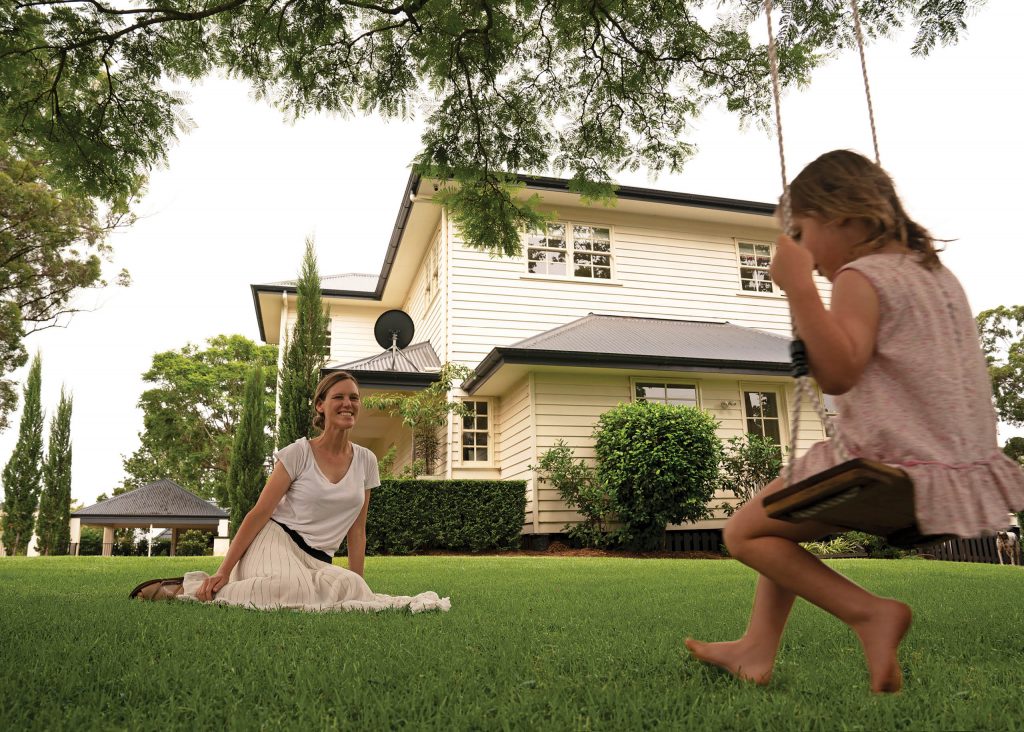
 Kikuyu grass is ideal for the homeowner who needs a lawn that can withstand the pressures of kids, pets and the occasional family gathering. It also features rapid green growth, drought hardiness, and resistance to wear.
If you’re looking for a versatile and affordable lawn solution, Kenda Kikuyu is the ideal solution, but you may also have heard of Eureka Kikuyu In this article, we look at which one is the best for your needs and ideal for the cooler more temperate regions of Australia.
Features of Kenda Kikuyu
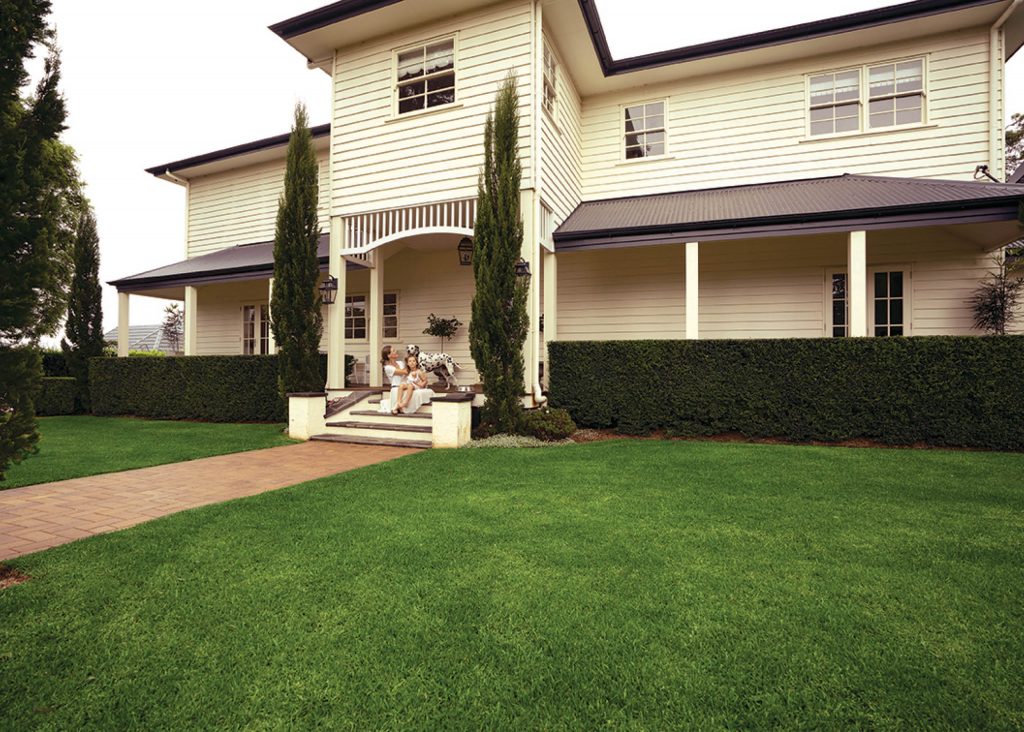 Kenda is a new variety of Kikuyu, bred to be fast establishing, have great wear recovery, drought tolerant, and features dense fine-medium leaves with a beautiful dark green colour year-round.
However, and most importantly, Kenda was bred to be predominantly male sterile, meaning it is less likely to produce seed and pollen, therefore better for allergy sufferers. Compared to other Kikuyu Grasses, Kenda has four times as many rhizomes, and more vigorous stolons making it a great choice for commercial use.
Shade Tolerance
Kenda Kikuyu is a sun lover, preferring full sun conditions overshade. It can tolerate low to moderate shade, but if laid during the winter it may be slower to establish.
Drought Tolerance
Kenda Kikuyu copes well under drought conditions, thanks to its large prostrate runners and deep roots. After periods of drought, Kenda Grass quickly re-establishes once regular watering is reintroduced.
It is a favourite of local councils during periods of water restrictions, as once established, it responds well to deep and infrequent watering.
Wear Tolerance
Kenda Kikuyu is a tough variety that can weather the pressures of high traffic. For this reason, it is a popular choice for public spaces, such as parks, golf courses and recreational reserves.
If it does get damaged, Kenda Grass recovers quickly, thanks to extra-large prostrate runners and four times as many rhizomes compared to other Kikuyu varieties
Kenda Kikuyu Maintenance Requirements
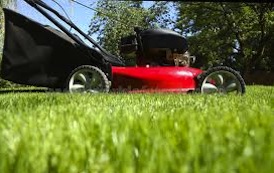 To keep your lawn in premium condition, you should mow Kenda Kikuyu regularly. Through the cooler months, you can mow every 3 to 6 weeks, however, you should mow every 7-10 days through the height of summer. Mowing height will vary according to the season – from 25mm-50mm in sunny/lightly shaded areas and 50mm-70mm in heavier shaded sites.
Once established, Kenda Kikuyu requires infrequent and deep watering. Deeply rooted Kenda Kikuyu grass has a larger “soil-water bank” to draw moisture from and this will help the grass survive drought and hot weather that rapidly dries out the upper soil layer.
The best time to water your Kenda Kikuyu grass is early morning – night watering is not recommended as the extra moisture over a cool night can increase the chances of developing a fungal outbreak.
Fertilise your Kenda lawn at least twice a year – ideally in April and then again in September.
If your lawn needs a rapid green-up, then try a quick release fertiliser that is high in nitrogen.
Slow-release fertilisers are generally better, and more cost-effective for Kenda Kikuyu, however, you should avoid over fertilising through summer.
Thanks to its dense, vigorous habit, Kenda Kikuyu is excellent at outcompeting weeds. It also has a high resistance to pests and diseases.
Features of Eureka Kikuyu
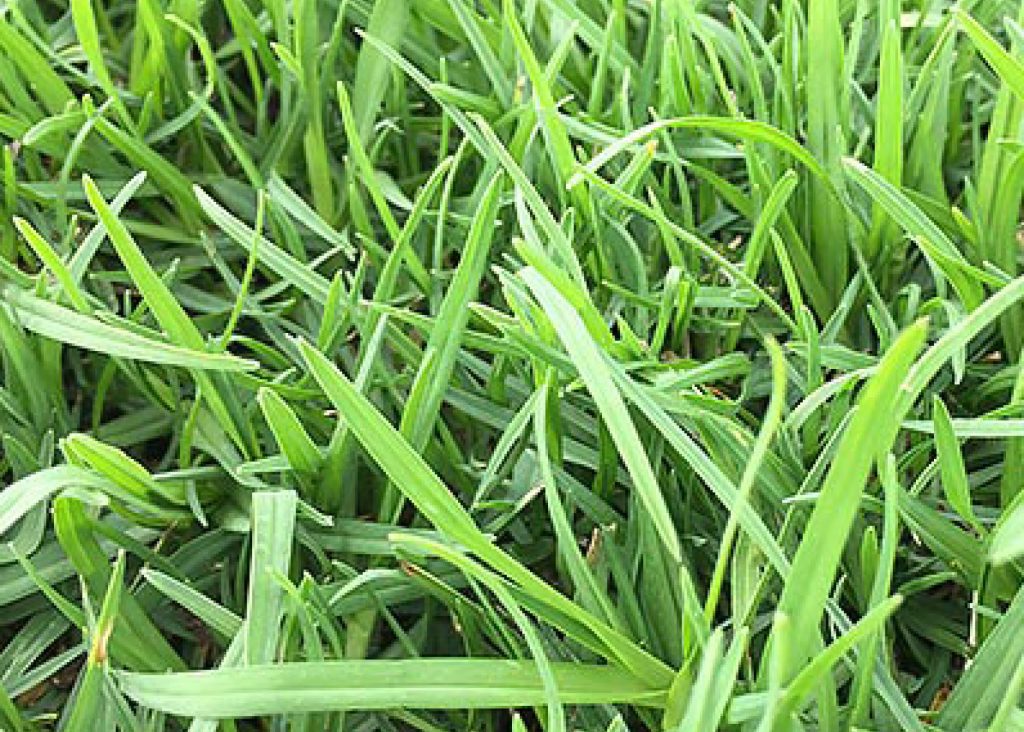 Eureka Kikuyu is a popular low budget option for your home lawn. It is a bright yellow-green variety of Kikuyu grass that is known for its superior disease resistance and reasonable cold-weather tolerance. It features medium-coarse leaves that maintain their colour all year round in warm climates. In cooler climates, it will remain green into early winter, after which it will lose some of its colours.
Like all Kikuyu Grasses, Eureka is a vigorous grower that repairs quickly, making it a good choice for home lawns. It is also good for erosion control and has a high tolerance for waterlogging, which means it can also be used in public spaces such as parks and golf courses. However, unlike Kenda which thanks to it being a sterile variety doesn’t spread too much, Eureka has a strong tendency to “wander” into gardens and paved areas.
Shade Tolerance
With a shade tolerance of only 25%, Eureka Kikuyu is not recommended for shaded areas. It thrives in sunny areas and will withstand full sun.
It also will not survive in excessively damp areas.
Drought Tolerance
Once established, Eureka Kikuyu has a strong, deep root base that helps it stand up to summer heat, and contributes to its high drought tolerance.
Wear Tolerance
One of Eureka Kikuyu’s most appealing features is its high tolerance to wear. It is a dense growing variety that spreads quickly, which results in speedy recovery from any damage.
This variety is ideal for high traffic, including children and pets, and is a popular choice for public access parks and gardens, playgrounds, caravan parks, nature strips and recreation reserves.
Eureka Kikuyu Maintenance Requirements
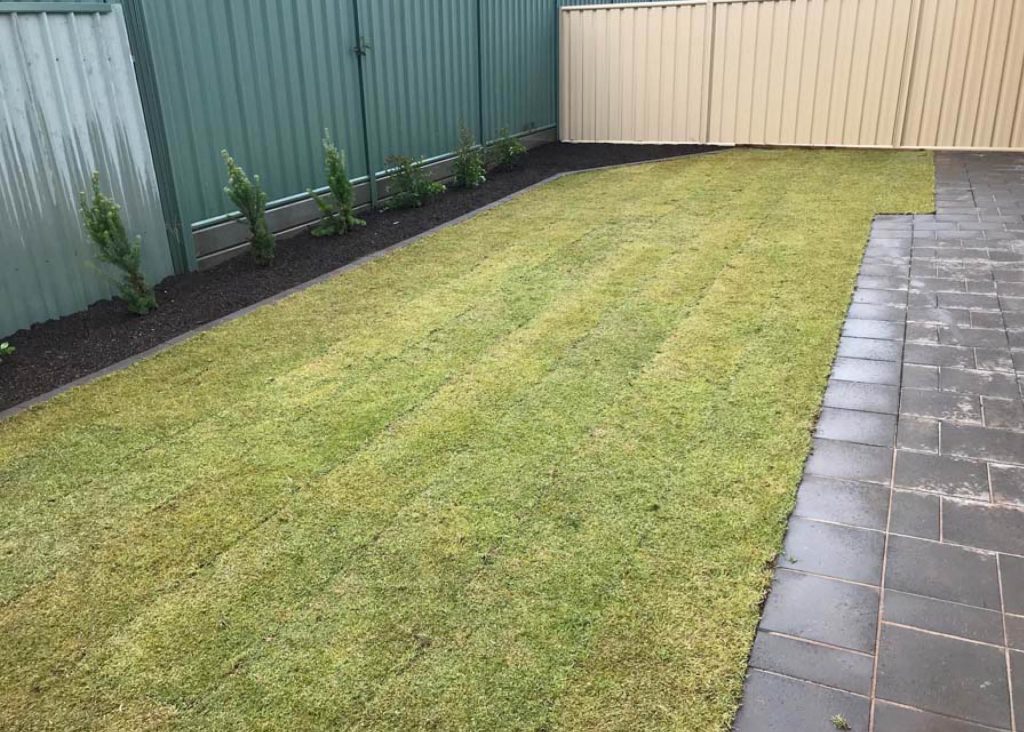 Eureka Kikuyu is a high maintenance grass that needs mowing every 5-7 days during summer.
It also needs regular fertilising to maintain its lush green colour.
Due to its dense, vigorous growing habit, weeds tend to not be a problem as they struggle to penetrate the thick ground cover. Regular fertilising will help maintain Eureka’s green colour.
If you are looking for low maintenance grass, then Eureka Kikuyu may not be your first choice, but if you are prepared to put in the effort, then it makes a good budget choice.
Eureka Kikuyu vs Kenda Kikuyu - the Verdict
When it comes to superior colour, you can’t go past Kenda Kikuyu, which boasts a deep green colour year-round, avoiding the unappealing ‘Kikuyu Yellow’ of other Kikuyu varieties through the winter months.
Thanks to their vigorous growth habits, both Eureka and Kenda require regular mowing to keep them looking good. That said, they both demonstrate good wear and quick recovery from damage, which makes them ideal for family backyards.
At $9 – 16/m², Eureka is slightly more affordable than Kenda ($9 – $16/m²) however Kenda’s long-lasting colour and soft touch offer a luxurious look and feel which belies its budget pricing, making the additional cost a worthwhile investment.
In conclusion
 For a durable and versatile lawn, you can’t go past Eureka and Kenda Kikuyu. These varieties are rapid, robust growers that thrive in full sun, and withstand the rigours of everyday traffic. Kenda Kikuyu has enhanced aesthetic appeal thanks to its deep green colour which persists through winter.
And, most importantly, Kenda Kikuyu was bred to be predominantly male sterile, meaning it is less likely to produce seed and pollen, therefore better for allergy sufferers. Compared to other Kikuyu Grasses, Kenda has four times as many rhizomes, and more vigorous stolons making it a great choice for commercial use.
Ideal for warm climates, both Kikuyu varieties bounce back quickly after the winter months and offer an affordable solution for home gardeners.
You can find a list of Kenda Kikuyu turf farmers and suppliers at myhomeTURF’s Find A Turf Supplier page.