
 Yates Dynamic Lifter is an easy to use multi-purpose organic fertiliser that is popular with Australian home gardeners.
Available from most garden centres and hardware stores, Dynamic Lifter pellets help improve soil structure and moisture retention for better root growth, stronger plants and more plentiful flowers and fruit.
What is Dynamic Lifter?
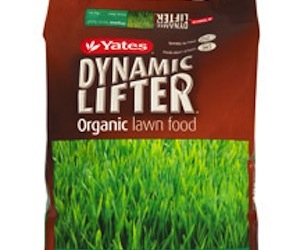 An organic product based on aged chicken manure, Dynamic Lifter also contains Blood and Bone, Fishmeal and Seaweed to encourage earthworms and beneficial microorganisms by enriching the soil with a range of nutrients.
These include the major nutrients nitrogen, phosphorous and potassium, and the trace elements sulphur, iron, magnesium, manganese and zinc.
Trace elements are only needed in small quantities, but a deficiency in any one of them can impair the plant’s ability to use the major nutrients.
Dynamic Lifter pellets decompose and release these nutrients over time and are suitable for year round use in organic gardens.
Benefits of Dynamic Lifter
Dynamic Lifter is especially suited to flower beds and vegetable patches, shrubs, roses, fruit trees and potted plants, including native plants.
It can be mixed into the soil underneath as a booster when planting out seedlings, shrubs or trees, and reapplied as a side dressing during the growing season.
After seeing its success with other plants, many people are prompted to also use Dynamic Lifter as an organic lawn fertiliser, with mixed results.
Is Dynamic Lifter good for lawns?
Dynamic Lifter can be better than using straight chicken manure, especially raw manure which can release too much of the nitrogen compound ammonia. Not only does ammonia burn your grass, but it smells bad and can be difficult to apply in the right quantities without a mechanical spreader.
Because Dynamic Lifter tends to sit on the surface, the pellets can be removed by mowing, making it a waste of both time and money.
This is more likely to happen during spring and summer when your lawn grows fastest and needs mowing more often, but the pellets don’t have enough time to break down between cuts.
One way to get around this is to apply Dynamic Lifter straight after mowing, give your lawn plenty of water, and then remove the catcher the next time you mow.
This allows the leftover pellets to be chopped up in the grass clippings and spread across your lawn, providing it with a valuable source of nitrogen, water and other nutrients.
If you’re in a winter-dominant rainfall area, and your lawn receives steady soaking rain during the cooler months but doesn’t grow a lot, this might be a good time to give it a hit with Dynamic Lifter.
The longer gap between mowing and plentiful water supply gives the pellets a much better chance of decomposing and releasing their goodness into the soil.
Why Slow-Release Granular Fertilisers are Better
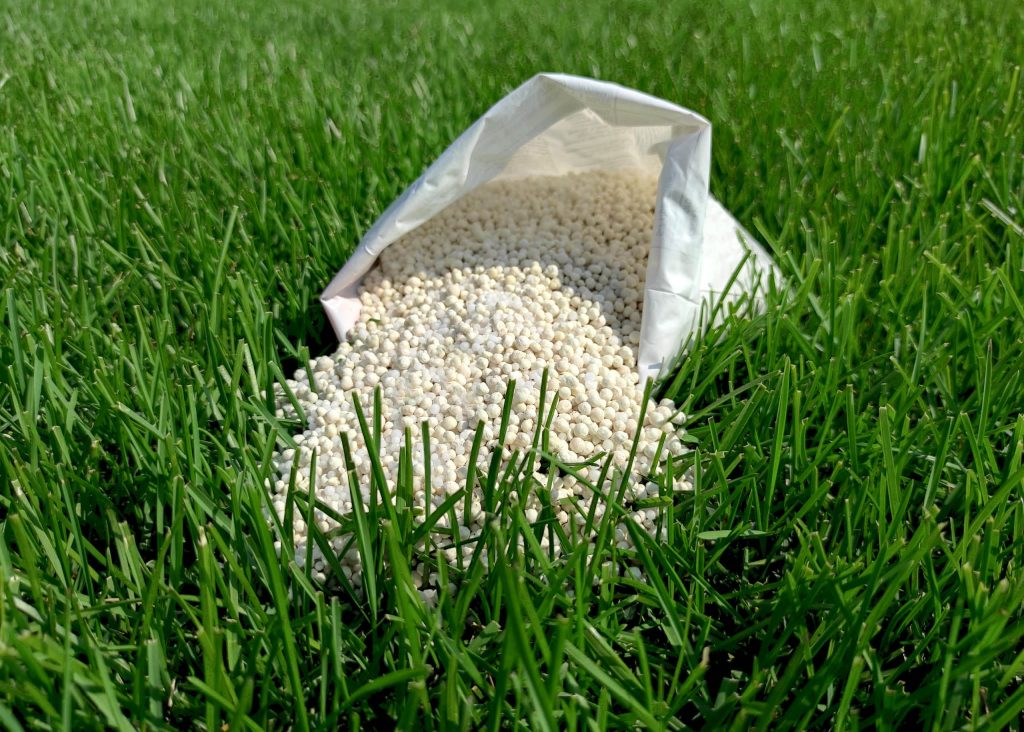 Dynamic Lifter has its place in the garden, but slow-release granular fertilisers are usually a better choice for lawns than pellets.
A wide range of different blends of granular fertilisers are available for addressing any nutrient shortages identified by soil testing.
Granular fertilisers are also less dangerous to children and pets – especially dogs which can be attracted to Dynamic Lifter pellets and become extremely ill from eating them.
If you’re not sure what fertiliser to use on your lawn, take a look at The Concise Lawn Fertiliser Guide or ask your turf supplier for advice.
You can also browse the range of fertilisers available from leading brands in the myhomeTURF online shop.
Recommended Products
LawnPride Maintain 26-1-9 + 3.4 Fe 20kg

LawnPride Maintain 26-1-9 + 3.4 Fe 20kg provides greening-up of your lawn as well as extended feeding thanks to its slow-release nitrogen. It is suitable for Buffalo, Couch, Kikuyu and Zoysia grasses.
Shop NowLawnPride Maintain Mini 26-2-9 + 3.4 Fe 20kg
LawnPride Turfmaxx 19-1-16 4kg
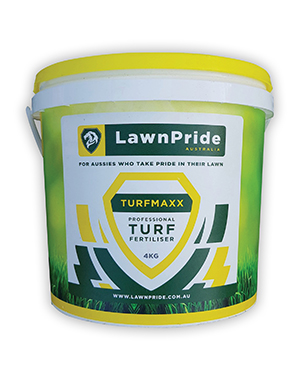
LawnPride Turfmaxx 19-1-16 4kg is an economical well-balanced lawn fertiliser ideal for maintaining exceptional colour and contains 67% slow-release nitrogen for extended feeding. It is suitable for Buffalo, Couch, Kikuyu and Zoysia grasses.
Shop Now