
Redheaded cockchafer (Adoryphorus couloni) infestations can wreak havoc on Australian lawns, causing extensive damage to turfgrass and compromising the overall health and aesthetics of the lawn. To address this issue, TurfBreed Expert Turf Manager Nathan Tovey provides advice on managing redheaded cockchafer infections, including what redheaded cockchafer is, how to identify it, effective control methods, prevention strategies, insecticide application and natural remedies.
What is Redheaded Cockchafer?
 Redheaded cockchafer (Adoryphorus couloni) is a species of beetle endemic to Australia. It is a notorious pest in turfgrass management, with larvae feeding on grassroots and causing significant damage to lawns, particularly in the larval stage.
How to Identify Redheaded Cockchafer
“Redheaded cockchafer larvae are creamy-white in colour with a distinct reddish-brown head capsule.”
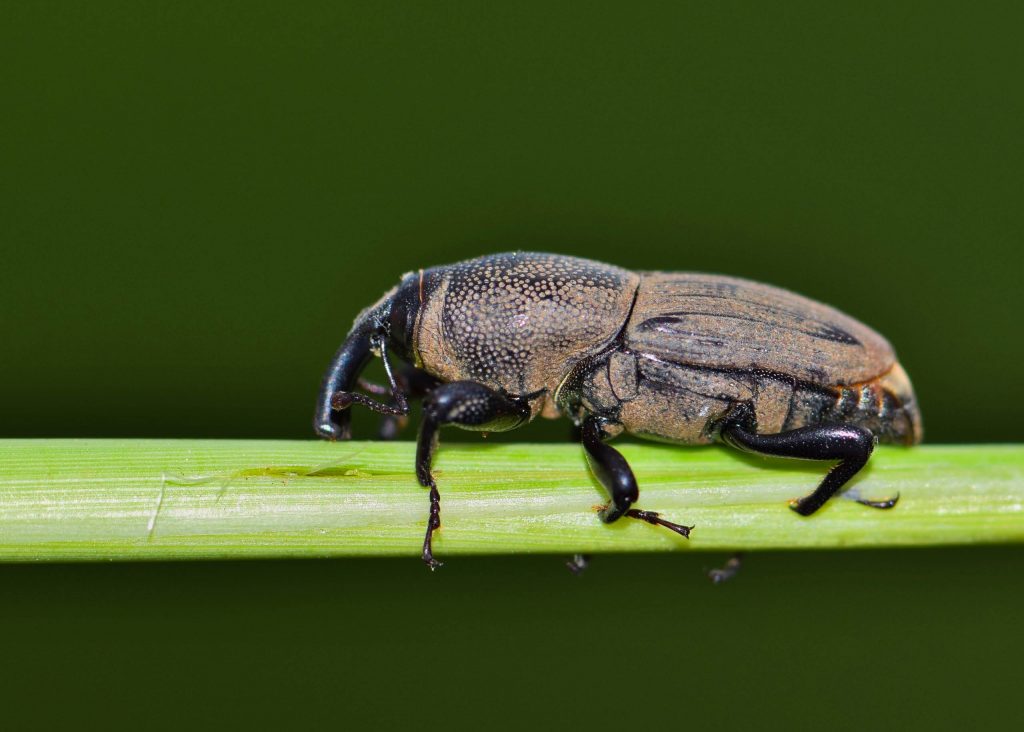
“Adult beetles are reddish-brown in colour and approximately 15-20mm in length, with prominent antennae.” Signs of infestation include wilting or browning patches of grass, thinning turf, and the presence of adult beetles around the lawn.
3 Tips for Controlling Redheaded Cockchafer
1. Lawn Maintenance Practices
“Promoting a healthy lawn through proper lawn maintenance practices such as regular mowing, adequate watering, and balanced fertilisation helps strengthen turfgrass, making it more resilient to redheaded cockchafer damage,” Nathan says.
2. Chemical Controls
“In severe infestations, targeted application of insecticides containing active ingredients such as imidacloprid or bifenthrin can effectively manage redheaded cockchafer larvae,” Nathan says. However, it’s crucial to follow product labels and application guidelines to minimise environmental impact and ensure safety.
3. Mechanical Removal
“Hand-picking adult beetles or using light traps can help reduce adult populations and prevent egg-laying,” Tovey advises. Vigilance in monitoring adult beetle activity and promptly addressing infestations can prevent larval damage.
How to Prevent Redheaded Cockchafer in Your Lawn
“To prevent redheaded cockchafer infestations, maintaining a dense, healthy turf stand is paramount.”
“Implementing proper lawn care practices, including soil aeration, dethatching, and over-seeding with resilient turfgrass varieties, creates an inhospitable environment for redheaded cockchafer development.”
Insecticides: myhomeTURF Recommendations
“Insecticides should be applied during the peak activity of redheaded cockchafer larvae, typically in late spring to early summer.”
“The effectiveness of insecticides varies depending on factors such as application method, product formulation, and environmental conditions. In general, it may take several weeks for insecticides to achieve noticeable reduction in larval populations.”
Insecticides to Control Redheaded Cockchafer
How to Control Redheaded Cockchafer Naturally
“Natural remedies, such as applying neem oil or diatomaceous earth to the lawn, can help deter adult beetles and disrupt the life cycle of redheaded cockchafer,” Nathan says. “Additionally, promoting a diverse ecosystem with beneficial insects and microorganisms contributes to natural pest management.”
Nathan reminds lawn owner of the importance of bringing your lawn back to health after a pest infection. He recommends applying a wetting agent and using a fertiliser to invigorate your lawn.
Fertilisers & Wetting Agents for Redheaded Cockchafer Control
Control Redheaded Cockchafer with myhomeTURF
Effective management of redheaded cockchafer infestation requires a multifaceted approach encompassing cultural, biological, chemical, and mechanical control methods. By implementing the top tips recommended by TurfBreed Turf Manager Nathan Tovey, homeowners can mitigate redheaded cockchafer damage and maintain a healthy, resilient lawn. Visit myhomeTURF’s online shop for more lawn care products.

 Shade
Shade Maint.
 Drought
 Wear
Wear $12–$18/m²