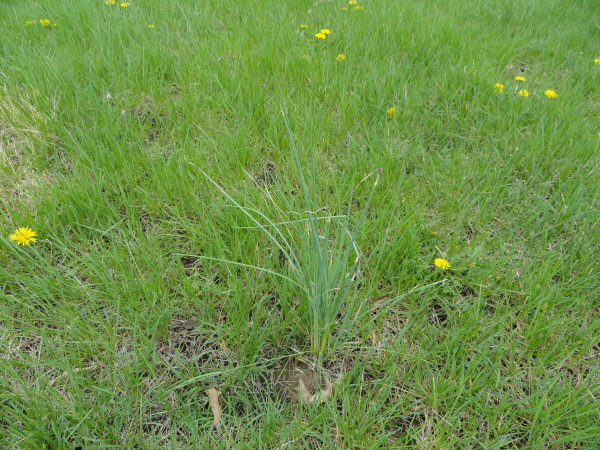
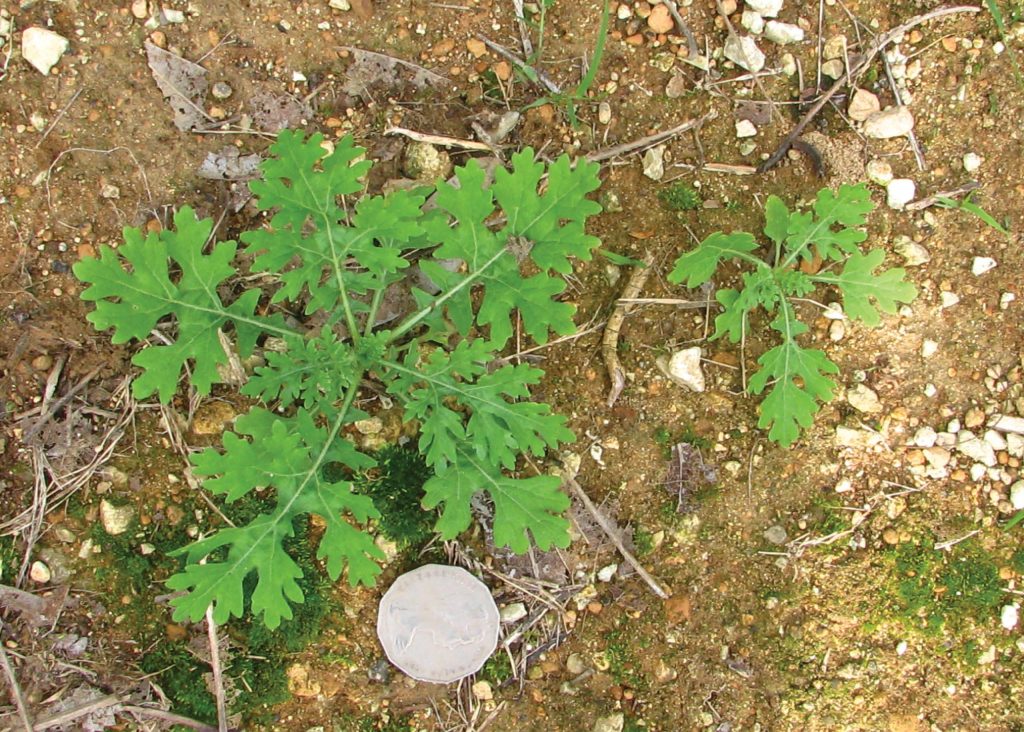
 This daisy-like weed is quite sweet and unassuming, but like its cousin the lawn daisy, carrot weed can become a problem if left unmanaged in your lawn. Native to Australia, and found in all states, this weed goes by many different names – carrot weed, Batchelor’s Button or annual buttonweed, to name a few – most of which describe the weed’s physical attributes.
What are Carrot Weeds?
Also known as Common cotula, Batchelor’s Button or annual buttonweed, carrot weed is an Australian native plant that is known to grow in pastures, gardens, lawns and playing fields.
Carrot weed often becomes a problem when your lawn is bared during renovation. It thrives in damp soil in a sunny location and is even known to grow in damp crevices at the base of buildings or in between pavers. The name carrot weed derives from the similarity of its finely divided leaves to those of carrots.
Carrot weed spreads by seed, and management should focus on removing the seed to prevent dissemination. Seed germinates from autumn to spring and the plants grow rapidly, producing flower stems in late winter to spring and flowering soon after. Plants usually die (annual) or the top growth dies (perennial) as summer approaches.
How to Identify Carrot Weeds
Related to the daisy family, carrot weed (Cotula australis) is a low growing annual or perennial herb that grows in a thin mat with slightly erect, spindly stems. Plants have scattered long hairs on the stems and leaves.
It produces yellow or white button-like flower heads, only a few millimetres wide, with no petals – imagine a daisy with its petals picked off. Flowers emerge from July to November.
How to Remove Carrot Weeds from Your Lawn
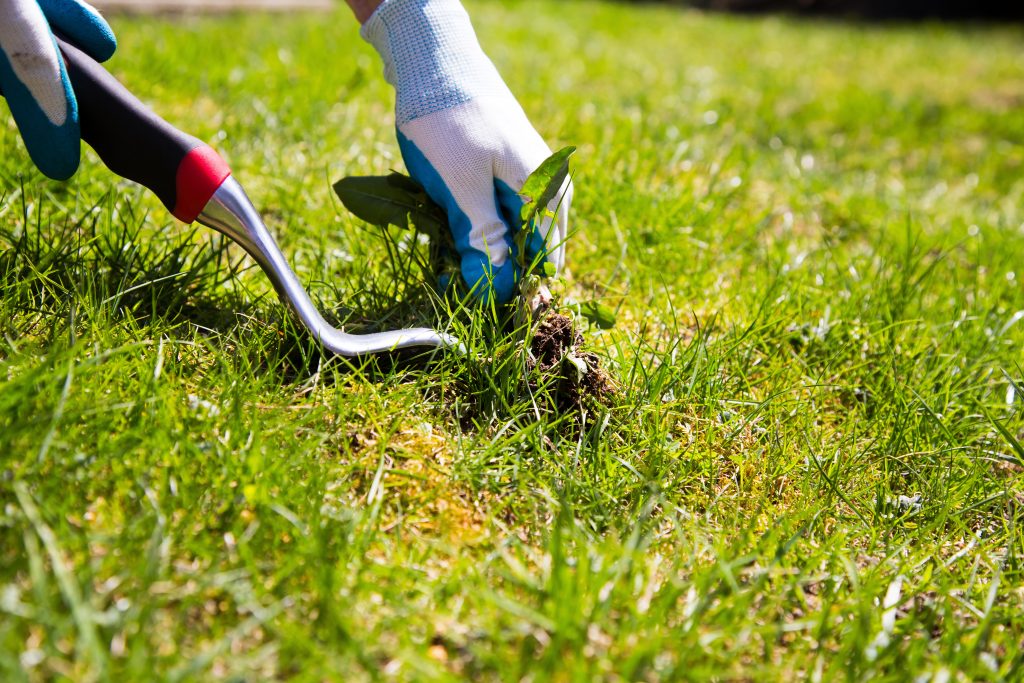 Getting rid of carrot weed is possible by both manual and chemical methods. You should choose the best method for your situation.
Manual Removal of Carrot Weed
Manual removal of carrot weed is a feasible control strategy if weed numbers are low.
Plants can be pulled or dug up as they emerge, taking care to remove the roots along with the leaves and stalk. Carrot weed loves moist waterlogged soils, often a sign of poor drainage or soil compaction. Removing the weed in winter, when the soil is soft, should be easy, however it may be more difficult in drier months.
Aim to remove carrot weed before flowering before it has a chance to produce seeds and spread. Make sure to remove the entire root system to prevent re-emergence in following years.
Killing Carrot Weed with Herbicide
Weed killers can provide good control of carrot weed but be sure to use a selective post-emergent herbicide, and only treat the affected area of the lawn.
Herbicide should be applied in winter, prior to flowering.
How to Prevent Carrot Weeds
 Like most weeds, carrot weed will thrive in poor lawns, so the best approach is to maintain the health of your soils and lawn through good cultural practices.
As carrot weed likes damp environments, address any excess moisture by scaling back watering. Waterlogging may be a sign of poor drainage due to soil compaction. You can improve lawn drainage by regular soil aeration, which will help to shift excess water, as well as provide improved air and nutrition to your lawn.
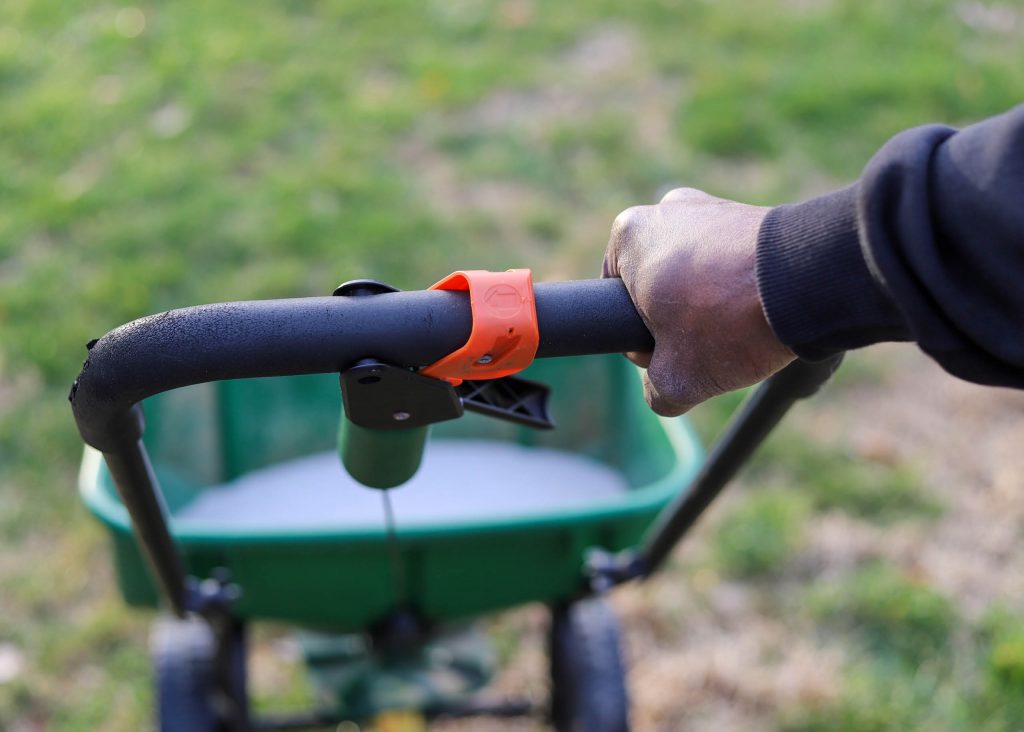
Encourage vigorous grass growth, and avoid bare patches, by feeding your lawn with a nitrogen-based fertiliser to boost nutrition. Schedule fertiliser application at least twice a year – once in autumn, and again in spring to carry you through the summer months.
Incorrect mowing practices can encourage weeds to spread, so it pays to spend time to get it right. Start by mowing your lawn regularly, at the right height for your grass type. Mow it too low and your grass will become stressed and scarred, leaving it susceptible to weeds. Make sure your mower blades are sharpened regularly for the cleanest cut. Maintain good equipment hygiene by cleaning the mower after each use to avoid contamination and spreading.
Recommended Products for Carrot Weeds
Indigo ProForce Contra M
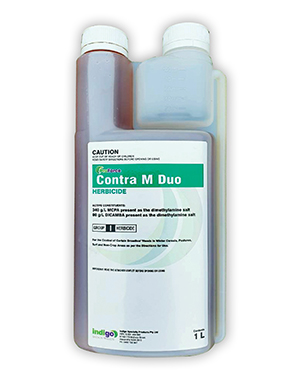
Indigo ProForce Contra M is a reliable, selective liquid herbicide used to control broadleaf weeds, including burr medic. It cannot be used on Buffalo lawns, but is suitable for use on Zoysia, Kikuyu and Couch grasses.
Shop NowIndigo Duke 100WG 100gm
In conclusion
Carrot weed is a native weed to Australia, which is found in all states. It thrives in moist, waterlogged lawns, so prevention should involve addressing any excessive soil moisture caused by overwatering or poor drainage. Carrot weed removal, via manual or chemical means, can be effective in controlling this weed. As always, maintaining the health of your lawn by regular feeding, aeration and mowing will also help to keep carrot weed under control.
For more information on leading herbicide treatments for your home lawn, visit myhomeTURF’s online store.