
 If your lawn isn’t looking its best, it might be time to consider a lawn renovation.
Top dressing is one way to give your lawn a facelift and a well-earned boost.
In this article, we look at the best time to top dress your lawn, and how to get the good results for your lawn.
What is Top Dressing?
 Top dressing involves applying a layer of river sand, topsoil, or quality organic compost – or ideally, a mixture of all three – to the surface of your lawn, to fill any gaps or uneven areas and enhance your turf’s nutrition.
Top dressing is a great way to improve overall drainage, reduce weed growth, and ensure that your grass always has access to the nutrients it needs to grow thick and strong.
Why is it Important to Top Dress your Lawn?
If your lawn is strong and healthy, top dressing is unnecessary. However, if your lawn is looking a little worse for wear, or is suffering from poor drainage, top dressing may help to breathe new life into your lawn.
Top dressing your lawn is one way to counter the effects of a poorly prepared lawn. By adding a layer of topsoil to areas that aren’t level, you can help to even out your lawn and correct any problems with the underlying soil. This is particularly useful if you’re experiencing draining problems with your lawn. Poor drainage can cause a range of issues, including making your lawn more susceptible to weeds and disease, so addressing the issue is important.
Additionally, top dressing can help to invigorate new growth by adding vital nutrients and minerals to the soil. Whether you are trying to repair damage from pests, heavy traffic, or other factors, top dressing your lawn can be an effective way to promote strong, healthy growth.
When is the Best Time for Top Dressing Lawns?
There are a few scenarios when top dressing might be appropriate for your lawn. For example, if your lawn is low on nutrients or needs some extra support, top dressing can provide the added boost that it needs. Additionally, if your lawn was not properly prepared when it was first laid, top dressing can help to smooth out unevenness or fill in any holes or low spots that have developed over time. Additionally, if there is inadequate soil underneath your lawn, adding a layer of rich topsoil can help to promote healthy root growth and keep plants thriving.
However, when it comes to top dressing a lawn, timing is critical.
You should only top-dress your lawn during the peak growing season, which is typically late spring to early summer. If you top dress in winter, when your lawn is in its dormant phase, you run the risk of damaging or even killing your lawn entirely. Similarly, avoid top dressing if rain is predicted as wet weather will make dressing difficult.
Top dressing should only be done on established lawns that are at least 6 months old. Young lawns can be susceptible to damage from invasive weeds and other soil disturbances, making them less well-suited for top dressing than older, established lawns.
How to Top Dress Your Lawn
If you’re planning to top dress your lawn, here’s a step-by-step guide to get the best results.
Step 1
Start by preparing your lawn for renovation.
If you have drainage issues, it’s a good idea to dethatch and aerate your lawn prior to top dressing, to ensure that nutrients can penetrate the lawn’s surface, and promote good regrowth.
Step 2
You should apply fertiliser to your lawn prior to top dressing. This will encourage grass growth and allow your lawn to gain the maximum benefits from top dressing. Aim to fertilise several weeks prior to the application of your top dressing mix.
It’s also a good idea to check your soil pH at this time and amend if required. Most lawns prefer a pH of 6.0 to 7.5 for optimum performance.
Step 3
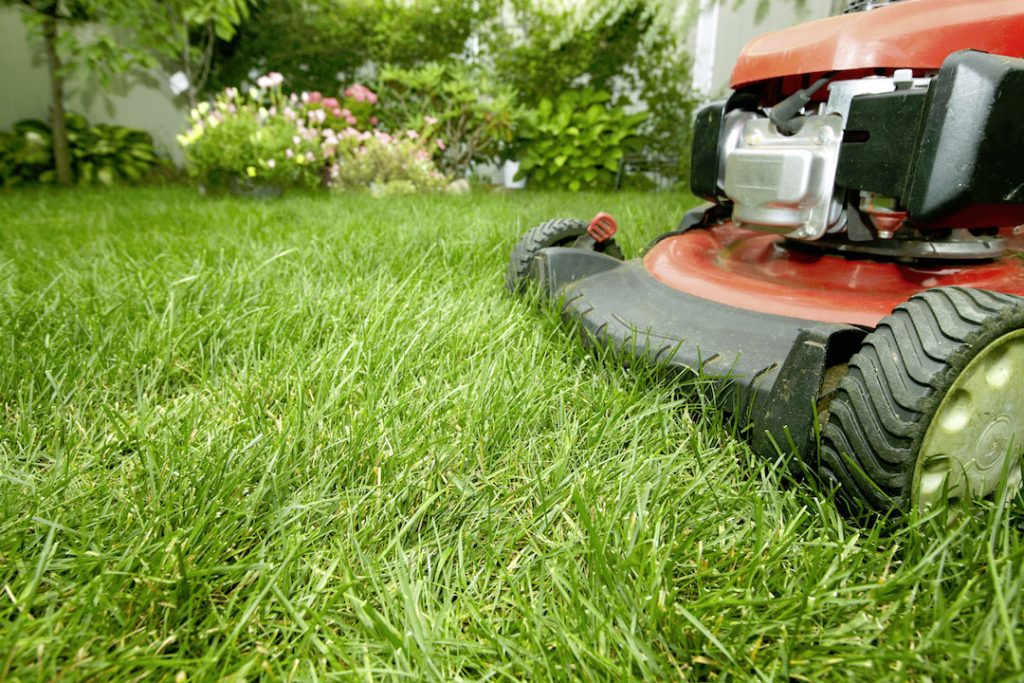
The day before applying your top dressing mix, you should mow your lawn. The height will depend on the variety of lawn you have, but don’t mow it too short, as you don’t want your top dressing to completely cover it.
You should aim to leave a clean canvas for your top dressing, so make sure to catch any grass clipping, and remove any debris that may hinder the top dressing process.
Step 4
 Spread your top dressing evenly across your lawn. The idea is to spread a thin even layer of your mix across the entire lawn. Depending on the size of your lawn, you could do this by hand or shovel, or you could use a spreader.
Once you’ve spread your mix across the lawn, you should rake it out evenly to a depth of no more than 10mm. A good tip is to ensure that the tips of the grass are poking through the mix to ensure optimal growth.
A tip for successful top dressing, is to dress lightly and gradually. Start with the worst spots in your lawn and go from there. This is especially important if you’re trying to address uneven areas. If the spots are too deep, and the top dressing is too thick, you may end up doing more damage to your lawn.
Step 5
The final step is to water your lawn. This will allow the nutrients in your mix to make their way down into the soil and start encouraging new growth.
Wait one to two weeks after top dressing to mow your lawn.
Choosing Soil for Top Dressing Lawns
There are several choices of substrate for use during top dressing. You should select the best mix for your circumstances.
Sand
Top dressing with sand can help to improve soil drainage and promote growth of thicker, more resilient grass. It acts as a loose aggregate to help break up dense soil and improve water penetration. Yellow sand tends to be especially high in porosity, meaning that it allows excess moisture to drain away quickly.
For those with clay soils, sand can be a particularly useful tool leveling uneven patches.
Topsoil
Topsoil is a safe option, as it has a similar composition to planting soil. However, it is wise to consider the reasons why your soil may need top dressing in the first place – top soil may not have adequate nutrition for your lawn and may benefit from being mixed with some organic material to give your lawn a boost.
Compost
A good quality, organic compost can provide your soil with much needed nutrients. Look for a dark, rich compost that looks and smells like soil. Compost will also attract beneficial microbes to your soil, which will encourage the long-term health of your soils, and lead to a greener, more vigorous lawn.
Blended Mix
To achieve a result tailored to your individual needs, consider spreading a mix of sand, topsoil and compost on your lawn. Not only will this allow you to achieve a variety of outcomes, but may also be more cost effective, depending on the blend.
How Much Top Dressing Mixture do I Need?
How much top dressing mixture you need will depend on the size of the area to be covered, and how deep the top dressing needs to be.
To work out the total volume of top dressing you need to buy, you’ll need to multiply the length of your lawn by the width (to find the total area), and then multiply by the required depth. Your top dressing depth shouldn’t exceed 10mm.
Area length (m) x area width (m) x soil depth (m) = required top dressing soil (m3)
When top dressing, it’s important that you don’t add too much and completely cover the grass with your mixture. Your grass needs to be able to undergo photosynthesis in order to survive and keep growing. Once you’ve added your top dressing, you should still be able to see the tips of the blades of grass.
Top Dressing to Fix Holes or Uneven Lawn
If you are top dressing to fill holes or an uneven lawn, then the best approach is to spot treat the problem areas, rather than top dressing your entire lawn.
You should mow your lawn the day before applying your top dressing, remembering to clear any debris or grass clippings, and not to mow too short.
Lightly fill the gaps with your top dressing mix, ensuring that the tips of the grass are still visible,
If the hole is deeper than 50mm, you may need to level out the hole by backfilling beneath the grass. This can be achieved by using a shovel to raise the grass on top of the hole and filling the hole with your dressing mix until it is evened out. You can then apply top dressing as usual.
Recommended Products to Assist with Top Dressing
LawnPride Hydramaxx G
In Summary
Top dressing a lawn can offer a wide range of benefits to your lawn, including enhancing the structure of your soils, improving water retention and contributing valuable nutrients to the grass. Moreover, this simple maintenance practice can improve drainage and increase density, allowing grass to better resist weeds and pests. Whether you’re trying to get your lawn back in shape after a harsh winter, repairing a poor installation, or simply want to keep your yard looking great, done properly, top dressing can be an effective way to improve the long-term health of your lawn.

 Shade
Shade Maint.
 Drought
 Wear
Wear $12–$18/m²