
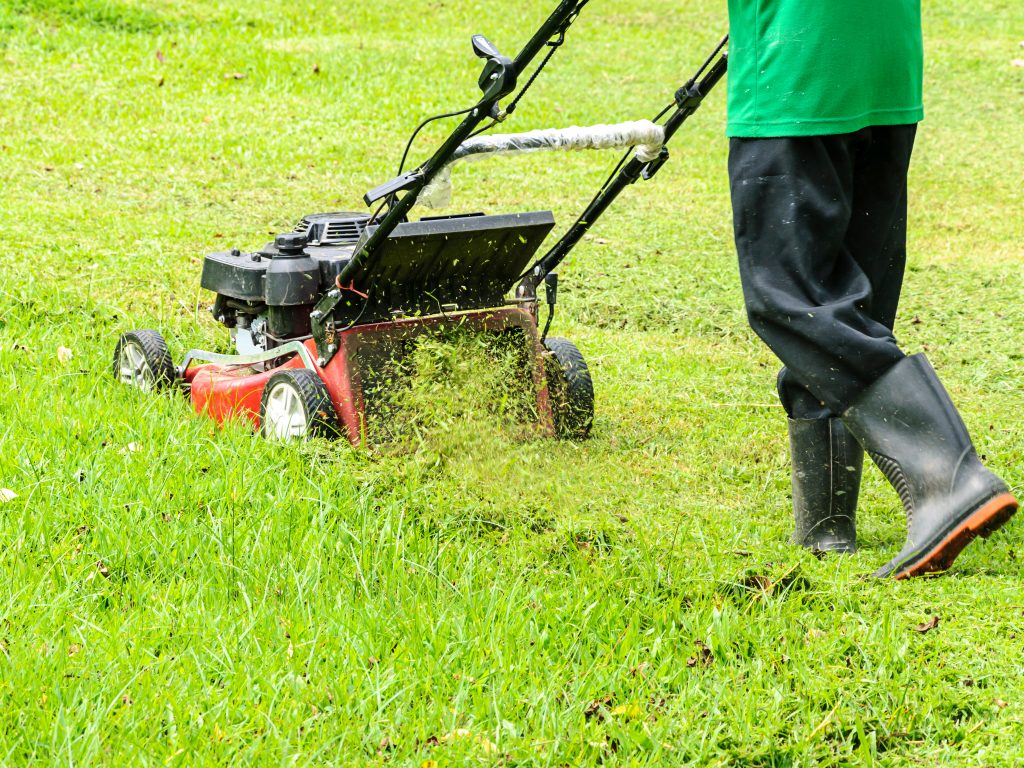
 If you’re living in a part of Australia which experiences a definite or prolonged rainy season, you might wonder if it’s okay to mow wet grass.
Your lawn will respond quickly to natural rain – the combination of moisture and nutrients can accelerate grass growth, especially during warm weather.
And while it might seem like a good idea to take advantage of any break in the rain to cut the grass before it gets out of control, it’s generally not recommended.
In this article, we’ll explore the reasons why it’s best to avoid mowing wet grass, how soon you can mow after rain, and some tips to make mowing easier.
Why it’s best not to mow wet grass
Mowing wet grass can cause problems for both your lawn and your mower. These include:
- Uneven cutting and tearing of the grass blades: Wet grass is soft and bends easily, making it difficult for lawn mowers to cut cleanly. This can result in uneven cuts that can damage the grass and leave it susceptible to disease.
- Increased risk of fungal diseases: Mowing wet grass can spread fungal diseases that thrive in moist conditions. Fungal spores can spread easily as you mow, potentially causing widespread damage to your lawn.
- Clogging and overheating of the mower engine: When grass is wet, it tends to clump together, which can result in an uneven cut. This can also lead to clogging of the lawn mower’s cutting blades, which can cause the mower to stop or stall.
- Damage to the soil and turf: Mowing wet grass can cause the formation of wheel tracks where saturated soil becomes compacted. This will cause uneven patches or deep ruts that are difficult to mow properly, as well as affecting drainage and reducing the availability of nutrients, air and moisture to your lawn.
It is always better to wait until the grass is dry before mowing it. This will result in a healthier and more attractive lawn.
It’s particularly important not to mow Zoysia grasses when they’re wet. These lawns have a tough leaf blade that can bend easily, making it more difficult to get a clean cut.
And if you’re using an electric lawn mower with a cord that plugs into a power socket, it’s important to avoid mowing wet grass because of the risk of electric shock.
How soon can you mow after it rains?
 While it’s not recommended to mow wet grass, there may be times when it’s unavoidable.
So if you must mow after it rains, there are some factors you should consider.
Grass type: Some types of grass are more resilient than others and can tolerate being mowed when wet. For example, cool-season grasses such as Bluegrass, ryegrass, bentgrass and fescue – which are more commonly used in the southern states – are more forgiving of wet conditions than warm-season grasses, such as Buffalo, Couch, Kikuyu and Zoysia.
Grass length: If the grass is very long, it’s best to wait until it dries out before mowing. Mowing wet grass can result in a messy, uneven cut, which can damage the grass and make it more susceptible to outbreaks of disease.
Terrain: If your lawn is on a slope or is uneven, it’s best to wait until the grass dries out before mowing. Wet grass can make it difficult to navigate and increase the risk of accidents from falling or the mower slipping.
Duration and intensity: If it’s a short, light shower, you can probably start mowing about 30 minutes after it ends. However, if the rain is heavy, it is best to wait 12 to 24 hours until the grass is dry to touch. This will help prevent the lawnmower from damaging the grass, and tearing up and compacting the soil underneath.
Tips for easier mowing
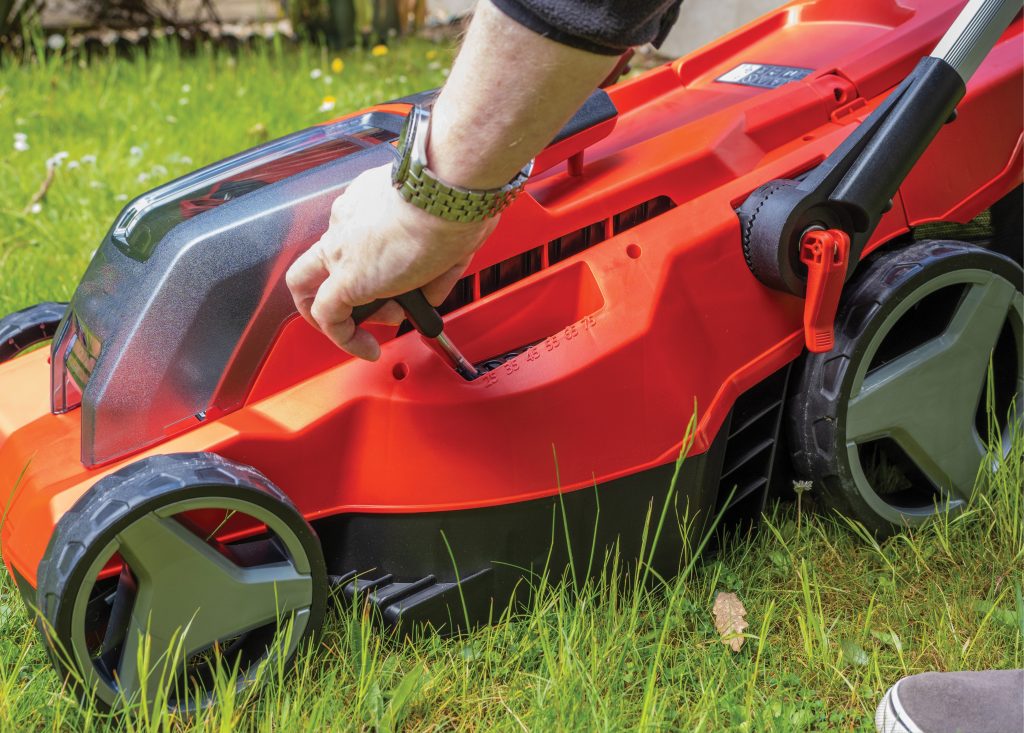 If it rained overnight, there’s a heavy dew in the morning, or you just don’t have time to wait for the grass to completely dry, here are some tips to make mowing wet grass easier:
Check the weather forecast: Avoid mowing during or soon after heavy rain or storms.
Raise the mowing height: If you must mow wet grass, raise the cutting height of your lawn mower to avoid cutting too much of the grass at once. This will help prevent clogging and uneven cuts.
Clean lawn mower: After mowing wet grass, be sure to clean your lawn mower deck, blades, and wheels thoroughly to prevent the spread of disease.
Sharpen mower blades: To ensure a clean cut, regularly sharpen mower blades before mowing.
Wait for the grass to dry: If possible, wait for the grass to dry out before mowing. Wait until the grass is only slightly damp, not soaking wet or muddy. This will ensure a cleaner cut and reduce the risk of damage to your lawn.
Be safe: Mow slowly and carefully, avoiding sharp turns and slopes, and always wear appropriate clothing and footwear, such as long pants, gloves, boots, and eye protection.
Conclusion
We’ll say it again – it’s not recommended to mow wet grass. Wet grass can be difficult to cut cleanly, and mowing wet grass can spread disease and damage your lawn.
However, if you must mow wet grass, be sure to raise the cutting height of your lawn mower, clean your mower thoroughly, and wait for the grass to dry out as much as possible.
Remember that mowing wet grass should not be a regular practice, but an occasional exception, and follow these tips to help keep your lawn healthy and looking its best.
For more information about lawn care, take a look at The Ultimate Turf Maintenance and Lawn Care Guide.