
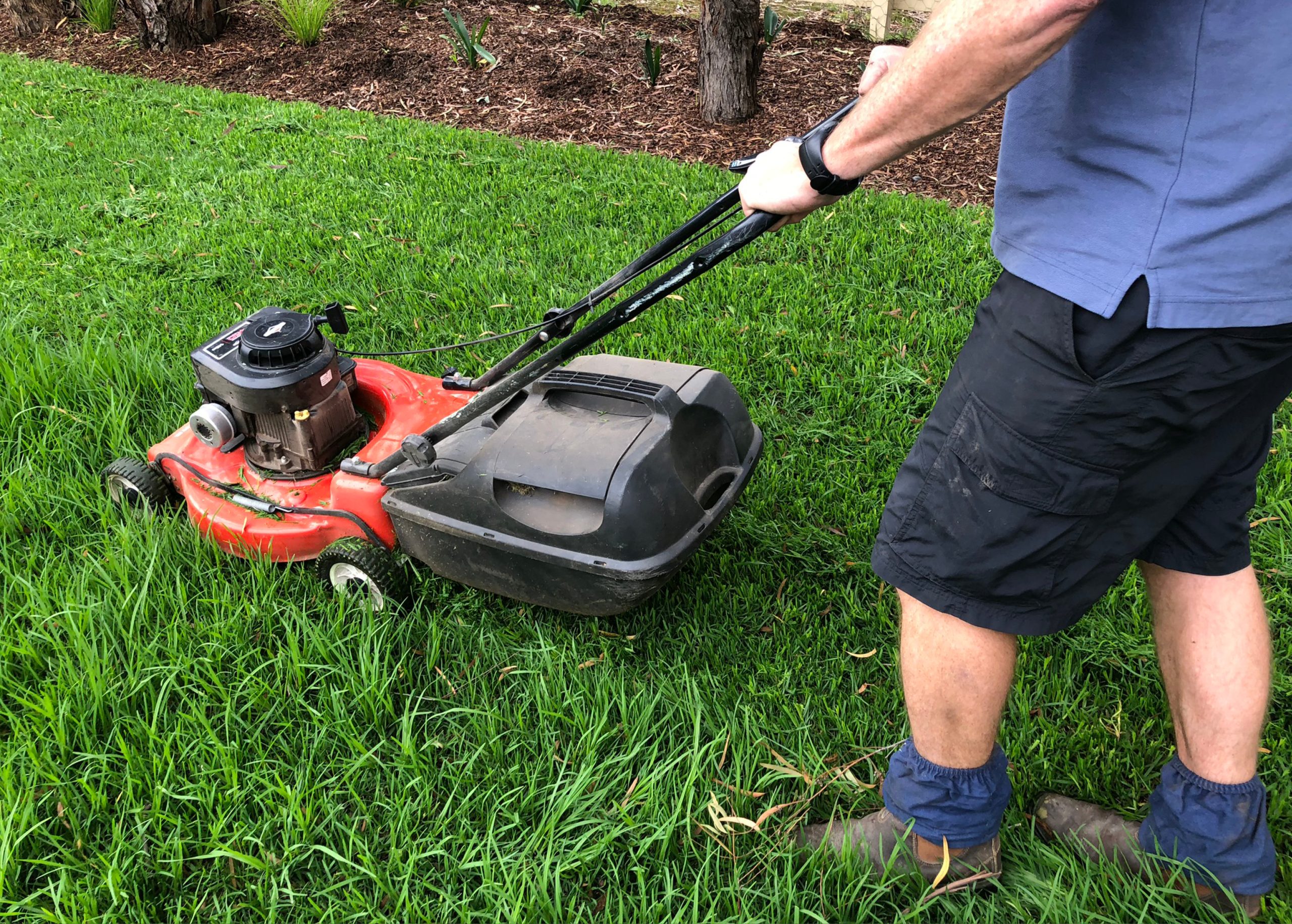
 Should you water your lawn after mowing? This is a question that has been asked by many homeowners.
Some say irrigating a lawn after you’ve mown it is a good idea, while others believe it is unnecessary if you have a solid watering schedule in place.
In this article, we will explore the topic of watering after mowing and provide some tips and considerations for maintaining a healthy lawn.
When to water after mowing
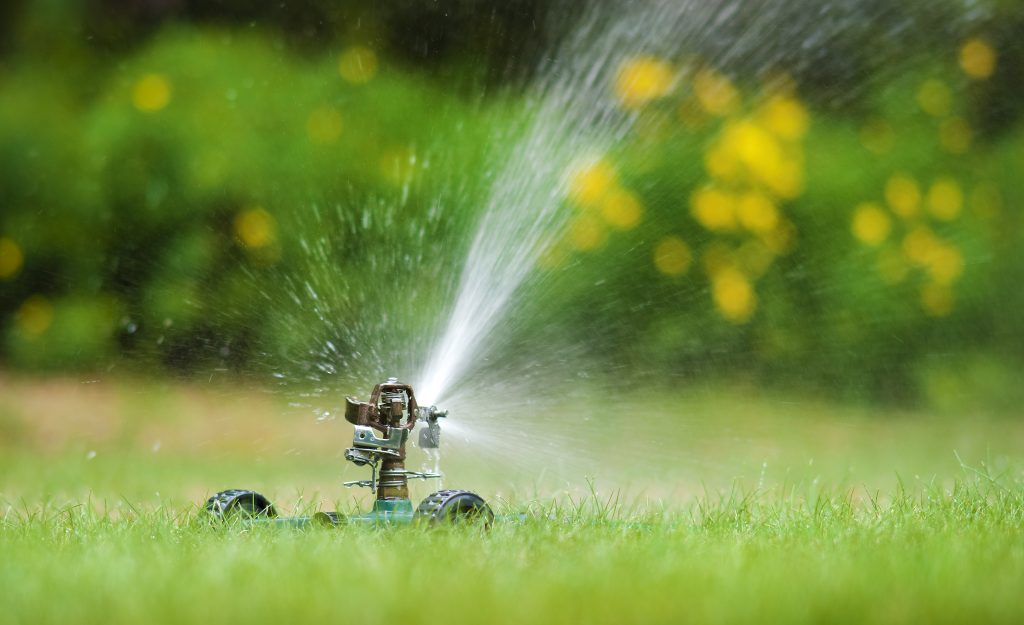 The general rule of thumb is to water your lawn deeply and infrequently. This means you should water only when it needs it, and deeply enough for the water to reach the roots.
So, when is the best time to water your lawn after it’s been mowed?
According to lawn care experts, the best time to water your lawn after mowing is in the early morning or late evening. This is because the sun is usually not as strong during these times, giving the water a better chance of reaching the roots before it evaporates.
You should however avoid watering your lawn before mowing, as this can make the soil too soft and cause the mower to sink into it and leave unsightly tracks.
Four signs your lawn needs watering
Knowing when your lawn needs watering is crucial for keeping it healthy and looking good.
Here are four signs it’s time to turn on the sprinklers:
- The grass is turning yellow or brown
When the grass is not getting enough water, it will start to turn yellow or brown. This is a clear sign the grass is under moisture stress and badly in need of a drink. - Footprints remain visible
If you can still see your footprints after walking across your lawn, it may be time to water. This is also a sign that the soil is probably dry and compacted. - The grass doesn’t spring back
If you step on your lawn and it doesn’t spring back up, it’s a sign the grass is dehydrated and needs water to recover. Using a soil wetting agent can help if your soil is hydrophobic and stops water from penetrating the soil. - The screwdriver test
Try pushing a screwdriver into the soil. If it goes in easily, your lawn is well hydrated. If it is difficult to push in, your lawn needs watering.
Benefits of a lawn watering schedule
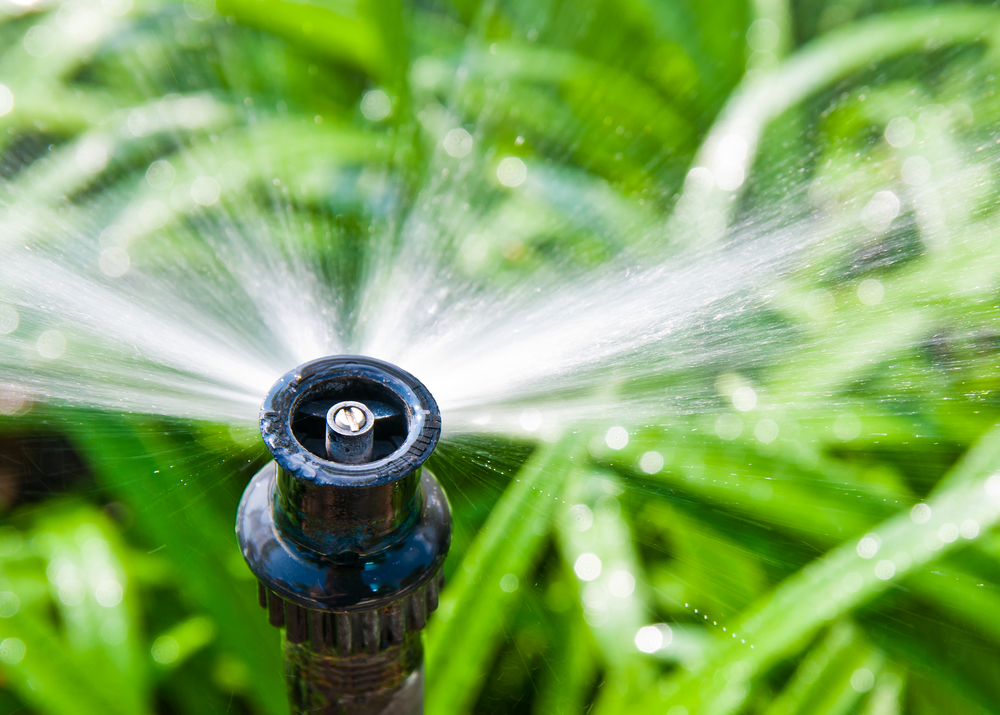 Watering your lawn on a schedule with a sprinkler system or hose with a timer has several benefits. It helps maintain a consistent level of moisture in the soil, which is essential for healthy grass growth.
A schedule also can prevent overwatering and underwatering, which can both be detrimental to your lawn.
Overwatering can lead to fungal diseases and root rot. Underwatering doesn’t encourage roots to grow strong and deep, leaving the grass at greater risk of stress during hot, dry conditions.
Here is a basic watering schedule you can follow:
- Water once a week, being sure to water it deeply enough to reach the roots. About 10-15 minutes is usually enough. Allow the soil to dry out slightly between watering sessions.
- Water in the early morning or late evening when the sun is not as strong.
- Adjust your watering schedule based on the weather. If it has rained recently, you may not need to water as much or as often. But during hot or dry periods your lawn may need more frequent watering to stay healthy.
For more tips about watering your lawn, read The dos and don’ts of lawn watering or take a look at our Ultimate Turf Maintenance and Lawn Care Guide.
Lawn mower maintenance
Maintaining your lawn mower is crucial to ensuring that it runs smoothly and doesn’t damage your lawn.
Here are some tips for maintaining your lawn mower:
- Check the blades are sharp and in good condition. Dull blades can tear the grass and make it more susceptible to disease.
- Leaving grass clippings on your lawn can help to add nutrients to the soil and act as mulch, reducing evaporation and how much water you need to apply each week.
- Adjust the mowing height based on the season and the type of grass you have. Taller grass can help to shade the soil and reduce water evaporation.
Conclusion
 Watering your lawn after mowing can be beneficial, but it is not always necessary, especially if you have a solid watering schedule in place.
The key to maintaining a beautiful healthy lawn year round is to water your lawn deeply and infrequently, and pay attention to any signs it needs watering.