
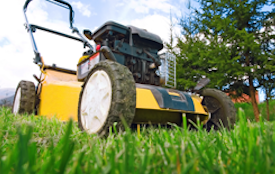
 Do you love getting out to mow the lawn each week in summer and relish the prospect of working up a sweat while you restore order to your pride and joy?
Or are you so tied up with commitments – work, family, travel and socialising – that you struggle to find the time to keep the lawn in check and mowing is something you begrudgingly do only when you absolutely have to?
If you’re the first type of person, you’ll probably be happiest with a Manual Lawn Mower, but if you’re the second type, an Automatic Lawn Mower might be more your style.
Read on for our comparison of these two vastly different types of mowers.
One is hands off, while the other is very hands on, and each has its own unique set of pros and cons.
The best choice will depend on your specific needs, preferences and budget.
What are Automatic Lawn Mowers?
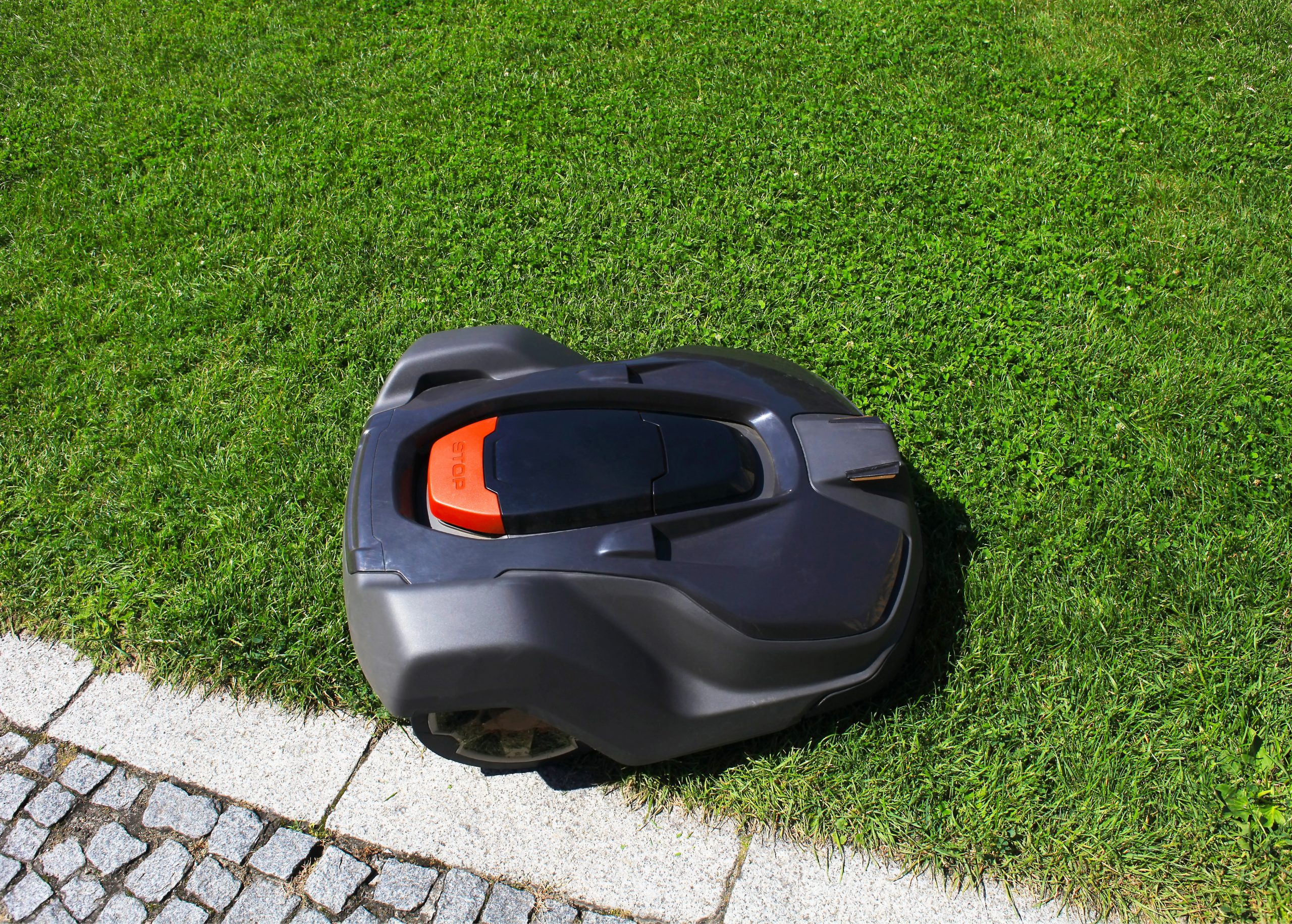 It might surprise you to know the first Robotic Lawn Mower was a solar-powered model launched in 1995 by Husqvarna.
Also known as Automatic Lawn Mowers, they’ve been gaining popularity in recent years and there’s now a range of machines available from numerous manufacturers at different price points.
These machines can be programmed to automatically cut the grass randomly or in a specific pattern at regular intervals.
This means you don’t have to worry about manually mowing the lawn and, once set, the mower will do the work for you.
Automatic Lawn Mowers use sensors to recognise the boundaries of your lawn, avoid obstacles and adjust the cutting height to match how long your grass is.
Once their battery starts getting low, they use radio signals and guide wires to go back to the charging station, returning to work once the battery has been recharged.
There’s more information available in our Guide to Automatic Lawn Mowers.
What are Manual Lawn Mowers?
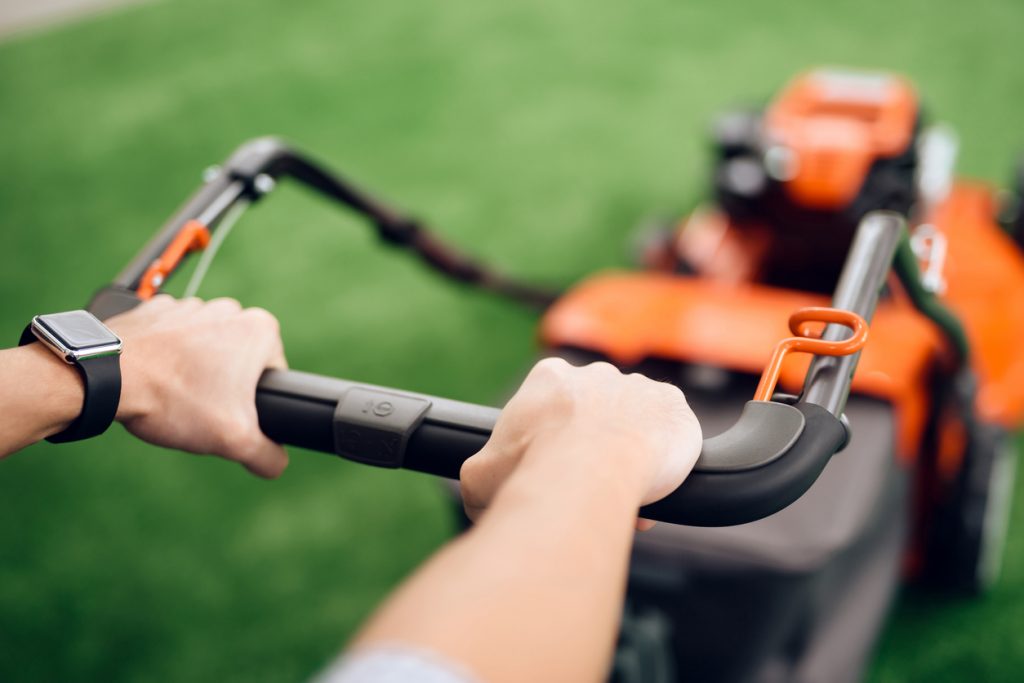 Manual Lawn Mowers, also known as motorised push mowers, are the more traditional type of lawn mower that you’ll hear in your neighbourhood most weekends.
You’ll push these mowers, which can be petrol or battery-powered, around the lawn, deciding when and where to cut the grass. You’ll also need to empty the catcher when it fills or rake up the clippings if you don’t use a catcher.
Manual mowers are suited for relatively level yards up to 1000 square metres and are best for lawn lovers who have the physical strength and stamina to guide the mower on its path.
If your lawn area is bigger than 500 square metres, or you get fatigued when mowing, you might prefer a self-propelled mower.
There’s a Guide to Push Mowers here.
For even bigger lawns of more than 1000 square metres, consider investing in a ride-on mower.
There’s a Guide to Ride-on Mowers here and a Guide to Zero Turn Mowers here.
Automatic Mowers vs Manual Mowers
There’s a few things to consider when choosing between an Automatic Lawn Mower and the conventional Manual Mower.
- Price: Determine your budget and look for a lawn mower that offers the features you want at a price you can afford. Automatic Mowers are much more expensive ($1200-$25,000) than Manual Mowers ($169-$500).
- Features: Automatic Mowers cannot be equipped with a catcher so they will mulch and distribute the clippings across your lawn. If you prefer to remove the clippings, you’ll need a Manual Mower with catcher or bag attachment.
- Ease of use: Some technical set up is required for Automatic Mowers and it can take a while to become familiar with the process of programming the machine to deliver the result you’re looking for. Manual Mowers can be difficult to start, unless you have a model equipped with electronic ignition or a single pull start.
- Maintenance: All mowers need periodic cleaning to remove clippings and accumulated grease and check that moving parts are working properly. Petrol-powered Manual Mowers also will need regular changes of oil, air filter and spark plug. Automatic Mower blades will need replacing about every 12 months.
- Strength: Little physical effort is required when using an Automatic Mower and it uses sensors to dodge obstructions. Manual Mowers must be pushed or guided (if self-propelled) around obstacles and across your lawn.
- Grass type: Automatic Lawn Mowers are suitable for use on most types of grass, but are best on finer grasses, such as Zoysia and Couch. They may not be as effective on thick and dense grass types. If you’re using an Automatic Mower for the first time, you might need to run over tall grass with a Manual Mower beforehand, or start at the highest cutting height and gradually work your way lower.
- Terrain: Automatic lawn mowers are suitable for most types of lawns, including flat and hilly terrain, but they may not be as effective on uneven or rocky ground. Manual Mowers can usually go wherever you want to take them.
Final Verdict
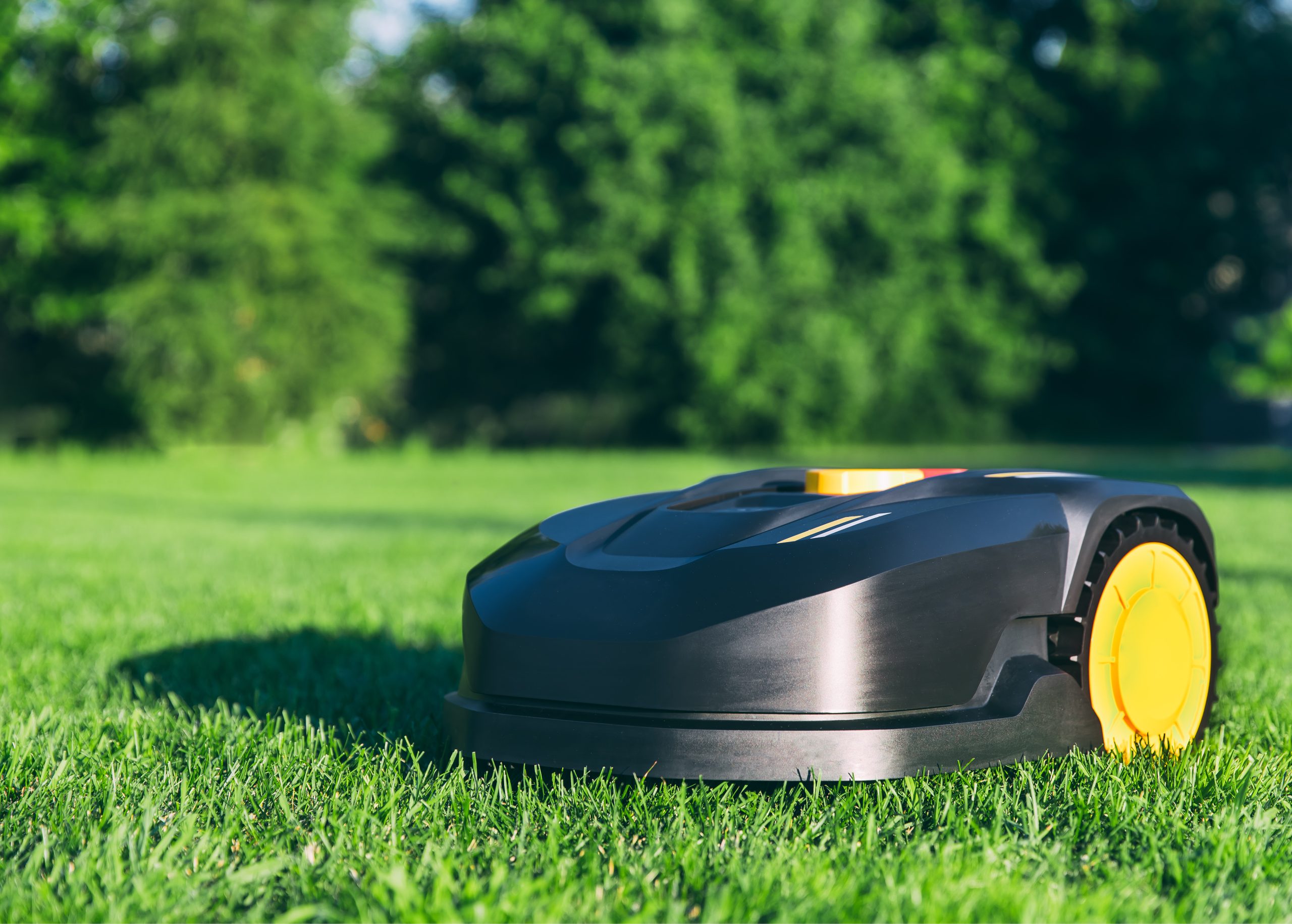 One of the biggest benefits of Automatic Lawn Mowers is their convenience and efficiency. They are perfect for people who have busy schedules and don’t have time to manually mow the lawn.
You can program them to mow the lawn at specific times of the day or night – they’re quiet so you won’t disturb sleeping family or neighbours – which means you can have a freshly mowed lawn whenever you want. But all those benefits come at a cost.
Manual lawn mowers, on the other hand, are the more traditional type of lawn mower for good reason.
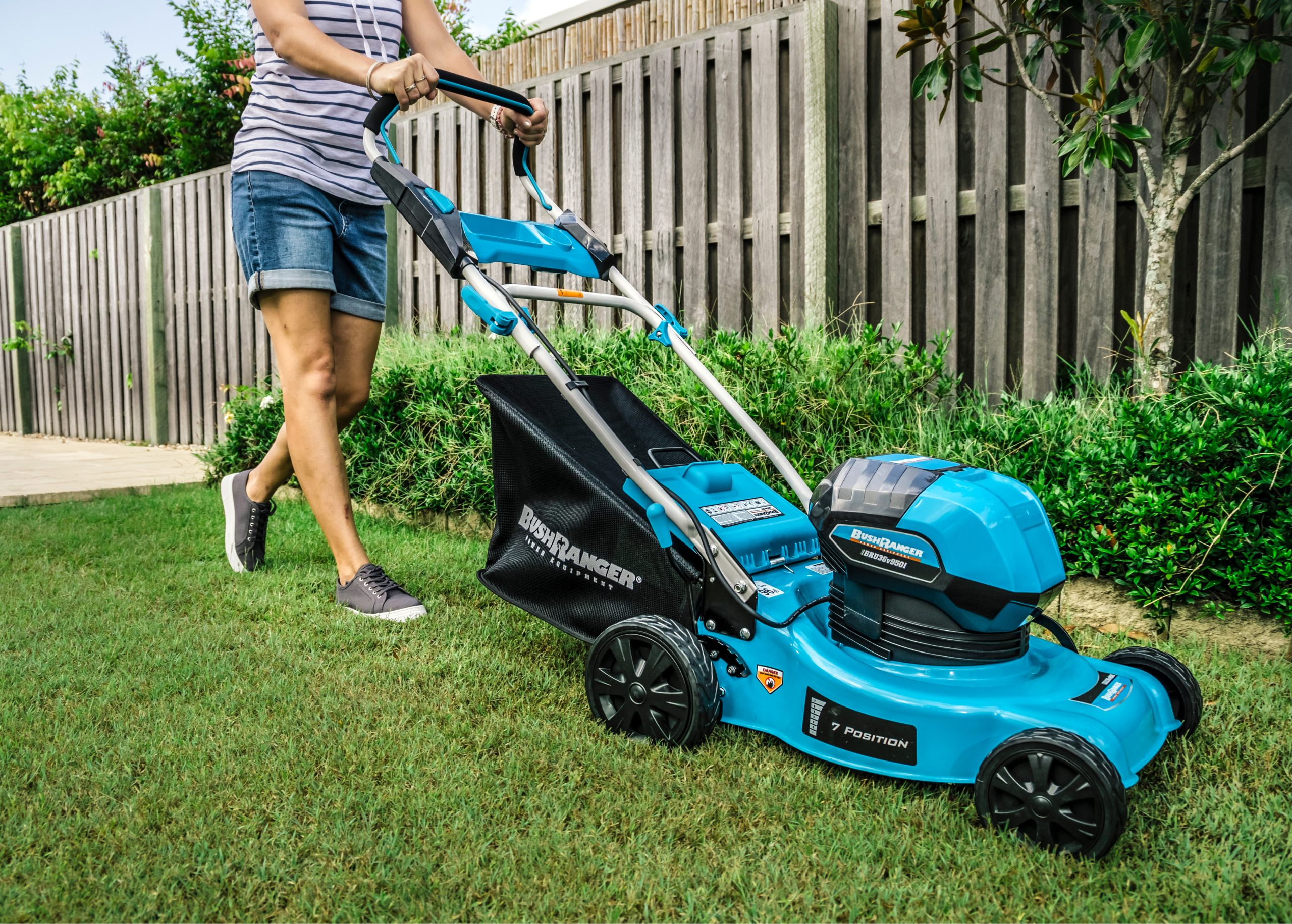 As well as being relatively inexpensive, they are durable and maintenance can usually be done yourself at home, making them a cost-effective option for many people, especially if you have a smaller lawn area.
In conclusion, both Automatic and Manual Lawn Mowers have their own set of pros and cons. Ultimately, the choice between the two will depend on your specific needs, preferences and budget.
If you’re not sure whether an Automatic or Manual Lawn Mower is what you need, take a look at our Lawn Mower Buyers Guide.