
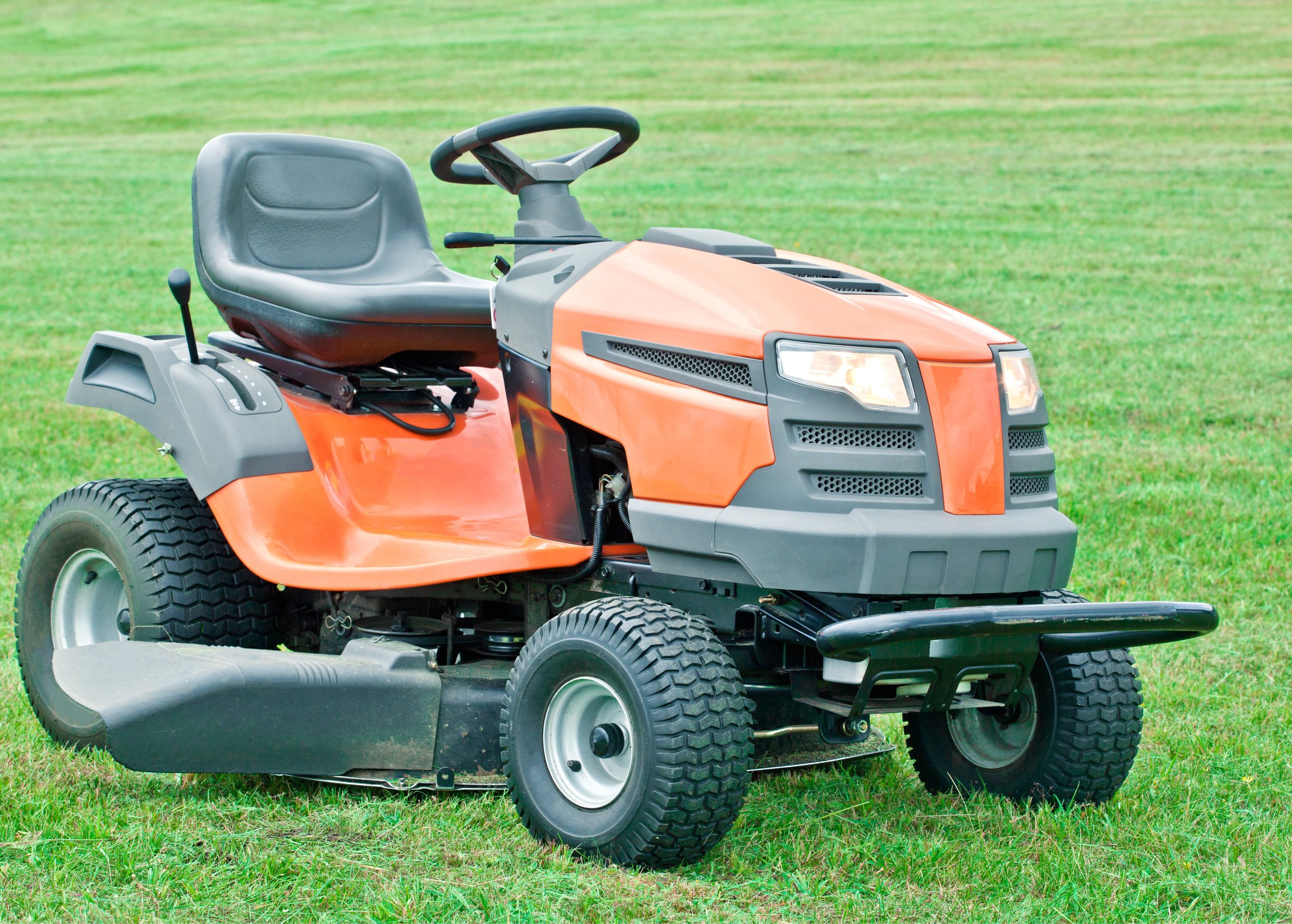
 Ride-on lawn mowers are a type of lawn mower that allows the user to sit on the machine while it cuts the grass.
They’re typically larger and more powerful than other types of mowers, and are well-suited for use on large lawns of more than 4000 square metres – or one acre in imperial measurements.
In this article, we’ve broken down the pros and cons of ride-on mowers, the features to look out for and highlighted some important considerations when shopping for a new mower.
What are ride-on lawn mowers?
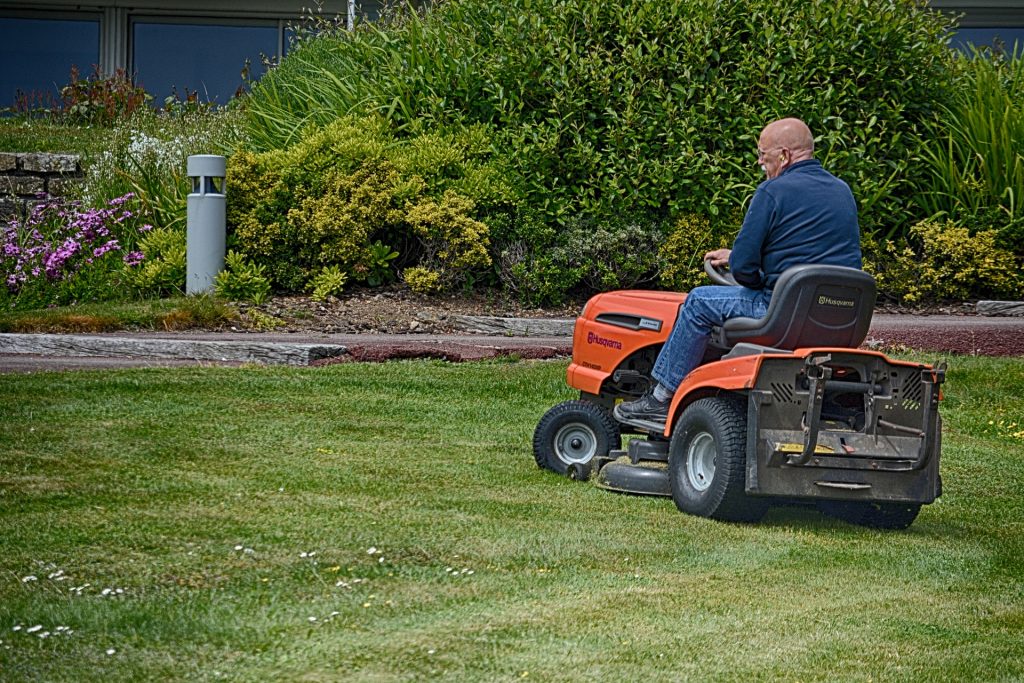 One of the main advantages of ride-on mowers is their large cutting decks. These decks allow the mowers to cut a wide strip of grass with each pass, which means you can mow your lawn more quickly and efficiently.
This is especially useful for people with large lawns, as it can save a lot of time and effort.
Ride-on mowers typically have more powerful engines than other types of mowers, which makes them capable of cutting through thick and overgrown grass with ease.
Another advantage is their comfort and convenience. Most models are designed with the user’s comfort in mind, with features such as padded seats, adjustable cutting heights, and detachable grass clipping bags.
Many are also equipped with headlights and other accessories, which can make it easier to mow your lawn in the evenings or in low light conditions.
However, ride-on mowers also have some drawbacks.
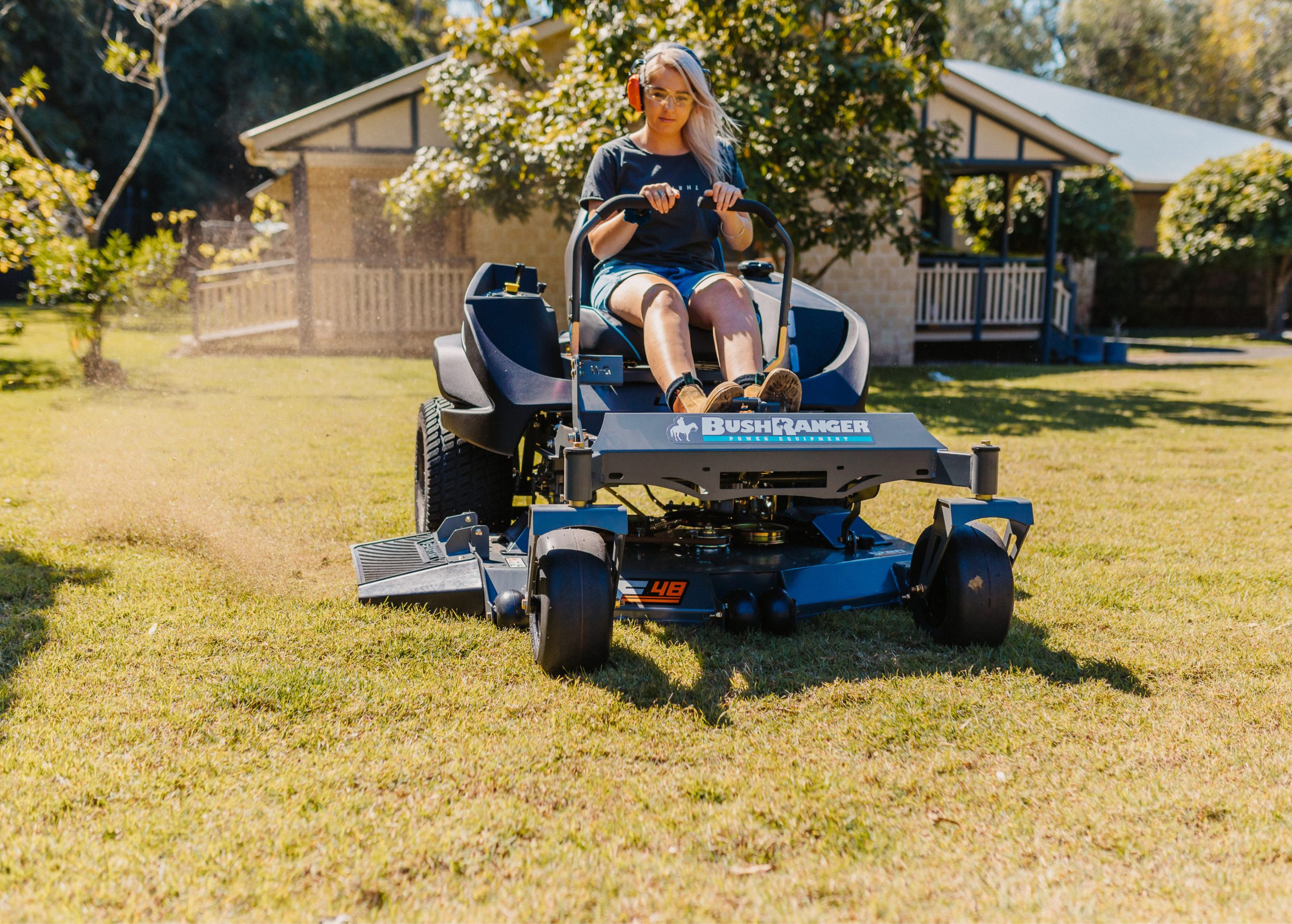 One of the main disadvantages is their size and weight. These mowers are larger and heavier than other types of mowers, making them difficult to manoeuvre and store if space is limited.
Ride-on mowers are also typically more expensive than other types of mowers, which can be a barrier when you’re on a budget.
Ultimately, the decision to use a ride-on mower will depend on your individual lawn care needs and preferences.
If you’re not sure a ride-on mower is what you need, take a look at our complete Lawn Mower Buyers Guide.
The three main types of ride-on lawnmowers are lawn and garden mowers, rear engine models and zero-turn mowers.
Things you’ll need to consider:
- Lawn size – Lawn and garden ride-on mowers have the engine at the front and throw clippings out the side. They’re ideal for lawns that are more than 4000 square metres in size.
Rear engine mowers are usually basic and cheaper, with a smaller chassis and cutting width. This makes them suited to smaller lawns.
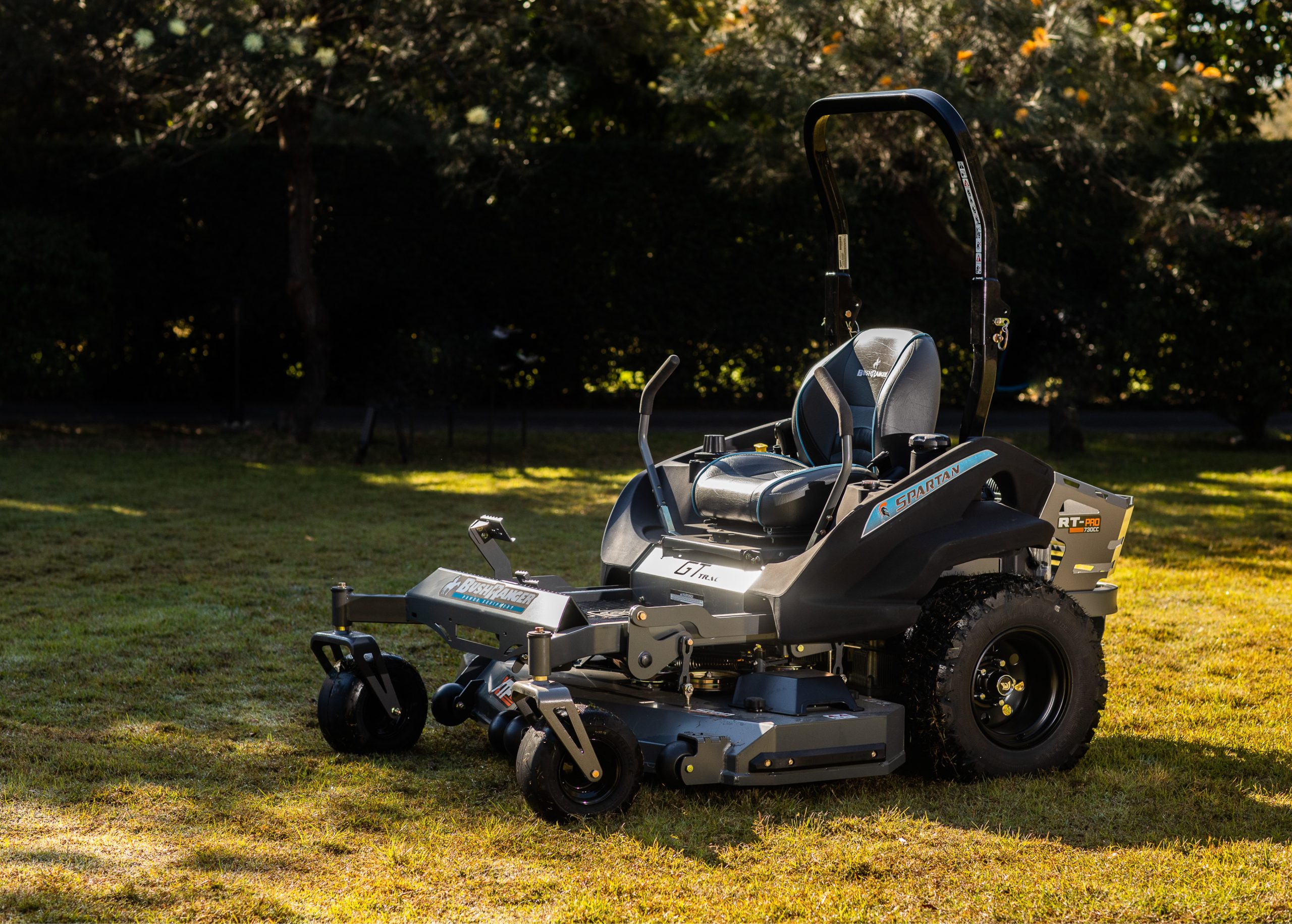 Zero-turn mowers have a rear mounted engine and levers rather than a steering wheel.
They that can go faster and deliver a very tight turning circle, but are the most expensive of all the ride-ons.
Zero-turn mowers are usually designed for large acerage properties or commercial use such as road sides, parks and golf courses.
Considerations when buying Zero-turn mowers:
- Terrain – Ride-on mowers are best suited to a lawn that is flat or gently undulating. Zero-turn mowers are typically safer for use on hills and there are some all-wheel drive models available, but these can be very expensive. If you have a small steep area, it might be worth using a self-propelled rotary mower on that section, keeping the ride-on for larger, flatter areas to reduce the risk of injury if the heavier machine overturns.
Choosing the best ride on mower features
Voltage: Electric ride-on lawn mowers with higher voltage batteries allow the motor to run longer and cut more grass at a time. Lithium-ion batteries generally hold a charge for longer than rechargeable lead-acid batteries, but lead-acid batteries are considered more resistant to corrosion. With regular maintenance, a battery can last for three to five years.
Engine torque measures: Torque is the amount of power produced by the lawn mower engine. More powerful engines can handle thicker grass and uneven terrain with ease, but are louder and more expensive to operate.
Cutting width: The cutting width of a lawn mower refers to the width of grass the mower can cut with each pass. A wider cutting width means you’ll be able to cover more ground in less time, but these mowers will be more expensive and heavier. Consider the size of your lawn and your budget when choosing a cutting width.
Other important considerations: Consider the warranty offered by the manufacturer. A longer warranty period can give you peace of mind and protect your investment in case something goes wrong with the mower.
Lawn clippings
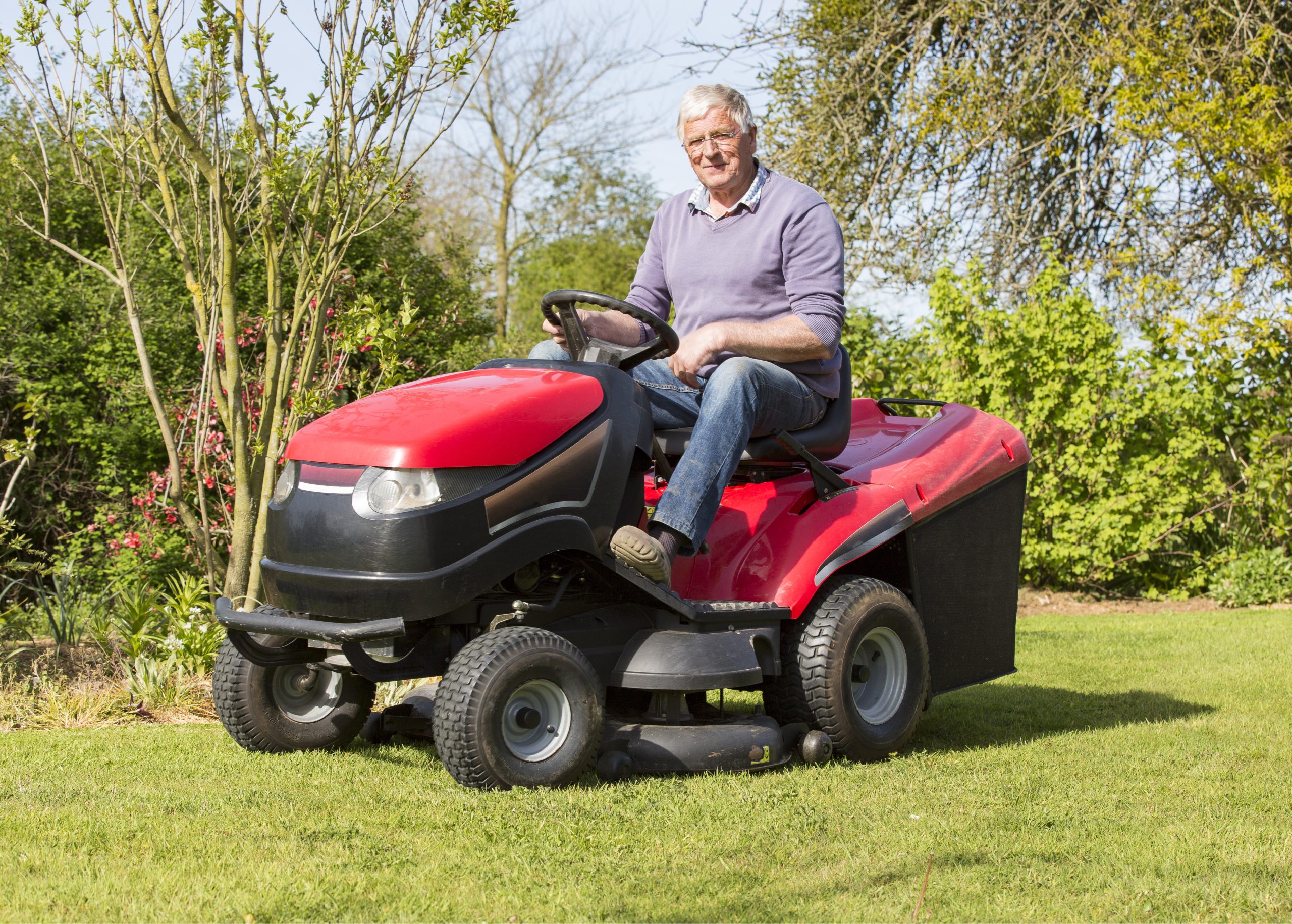 Most mowers can be fitted with a catcher that collects lawn clippings to make it easier to put them in a compost bin or trailer for disposal at the dump.
Catchers and bags can be fitted to the side or rear of your mower, but rear mounted catchers are easier to manoeuvre around obstacles in the yard.
If you prefer to leave your clippings on the lawn, look for a mulching mower, which has blades that cut the grass into very small pieces before spitting it back out. This is best used on finer grasses, such as Zoysia or Couch.
Not sure whether to leave grass clippings on your lawn? Read this article
General mowing guidelines and tips
Whatever type of mower you choose, ensure it performs at its best by following the manufacturer’s operating instructions.
Always wear protective boots and safety glasses when mowing and never touch the blades or engine parts while a mower is running.
Regular maintenance will ensure your mower lasts longer and keeps your lawn looking amazing.
You can read our guide to lawn mower maintenance and troubleshooting here.
Mowing heights
 The general rule of thumb for mowing your lawn is to cut only one third of the leaf each time, and adjust cutting height to the seasons.
During summer, when your lawn will be growing at its fastest, you can cut a little closer to the ground. Try to avoid scalping which puts your lawn under stress and can make it prone to disease, weed or pest outbreaks.
In winter, your lawn should be allowed to grow a little taller to provide insulation against the cold for the roots.
Optimum height and mowing intervals differ between grass types and whether they’re exposed to sun or shade. There’s a guide to the best mowing heights for Buffalo, Zoysia, Kikuyu and Couch lawns here.