
 It takes time and effort to rake up your lawn after mowing.
Fortunately, most mowers can be fitted with a catcher that collects lawn clippings to make it faster and easier to put them in a compost bin or trailer for disposal at the local rubbish dump or green waste recycling facility.
In this article, we’ve broken down the pros and cons of using a bagged lawn mower, the features to look out for and highlighted some important considerations when shopping for a new mower.
What are bagged lawn mowers?
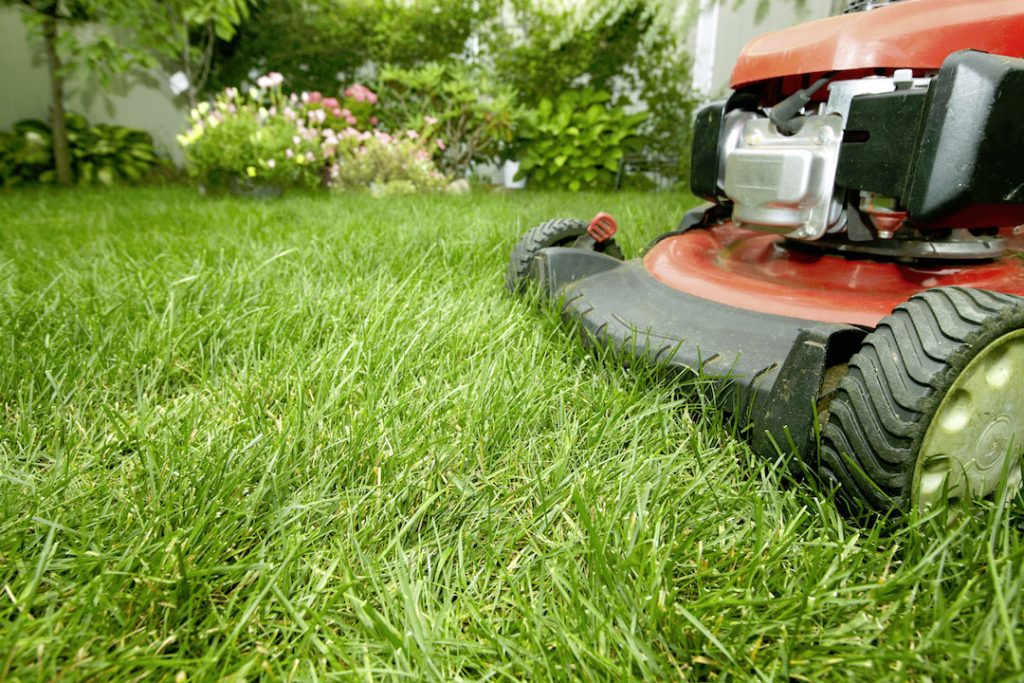
 A bagged lawn mower is one that is equipped with a catcher or bag that collects lawn clippings as they’re cut.
Catchers and bags can be fitted to the side or rear of most mowers, but rear mounted catchers are easier to manoeuvre into corners and around obstacles in the yard.
You can buy a bag or catcher at the same time as your mower or add one later when you have a better idea of what you need.
There are different types of catchers suitable for a range of purposes, from single use disposable bags to reusable mesh and hard plastic or composite catchers.
 Some designs can be automatically emptied, while others require you to remove the full liner bag or catcher by hand.
After unclipping several latches attaching it to the mower, you can put the bag or catcher straight in the bin or empty the clippings into a compost heap or larger receptacle.
Heavy duty plastic catchers work in much the same way, but can be reused year after year.
If you have a large block and want to spend less time emptying out the catcher on a ride-on mower, for example, you can opt for a tow behind trailer that uses a vacuum to draw clippings and leaves through the cutting deck.
Once the trailer is full, you can dump the load on the compost pile, transfer it to your organic waste garbage bin (this is usually the one with the green lid) for collection on rubbish day, or tip it into a truck or trailer and take it to the local rubbish dump or green waste recycling facility.
Advantages of using a bagged lawn mower include:
- A catcher helps keep your lawn well-groomed by collecting grass clippings and leaves as you mow. This can stop clumps of grass and leaves from accumulating on your lawn.
- Using a catcher can reduce how much time you spend cleaning up after mowing. Instead of having to rake or sweep up grass clippings and leaves, you can simply empty the catcher when it is full.
- A catcher can help to reduce how much of the grass and leaves end up in the street or blow into your neighbour’s yard. This can improve relations with the neighbours and keep your local area looking neat and tidy.
- When you choose to bag your clippings, you are removing potentially diseased grass and weed seeds from your lawn. This eliminates the chances of disease and weeds from spreading, ultimately benefiting your lawn.
- Bagged clippings are easier to move to a compost pile, where they can decompose and produce nutrient-rich compost for future use in your garden and vegetable beds.
Disadvantages of using a bagged lawn mower include:
- Adding a catcher to your lawn mower can increase the weight of the machine, which can make it more difficult to manoeuvre. This can be especially challenging if you have a large lawn or if you need to mow around obstacles.
- A catcher can also increase the overall size of the lawn mower, which can make it harder to store not in use.
- Using a catcher can reduce the efficiency of the lawn mower, as the additional weight and size may cause the engine to work harder and use more fuel.
- Some people may find it inconvenient to stop and empty the catcher every time it becomes full, especially if they have a large lawn or lots of leaves to collect.
- A larger bag will require fewer trips to the compost bin, but it may also be heavier and more awkward to empty.
- Removing clippings from the lawn means you’ll probably need to use more chemical fertilisers to boost nitrogen levels.
If you prefer to leave your clippings on the lawn, look for a mulching mower or a kit that can be retrofitted to your existing mower, which has extra blades that cut the grass into very small pieces before spitting it back out. This is best used on finer grasses, such as Zoysia or Couch.
Not sure whether to leave grass clippings on your lawn? Read this article.
Choosing the best bagged lawn mower features
When shopping for a bagged lawn mower, there’s a range of features to consider.
Size: Make sure the catcher is big enough to hold all the grass clippings and leaves you will be collecting. If the catcher is too small, you will have to stop and empty it more often.
Capacity: Consider the capacity of the catcher in terms of both weight and volume. A larger capacity will allow you to mow for longer periods of time without having to stop and empty the catcher, but it will also weigh more so make sure you’re physically able to lift it.
Ease of use: Look for a catcher that is easy to attach and remove from your lawn mower. You should also consider the ease of emptying the catcher when it becomes full.
Material: Choose a catcher made from durable materials that can withstand the wear and tear of regular use.
Compatibility: Make sure the catcher is compatible with your specific lawn mower model.
Price: Determine your budget and look for a catcher that fits within your price range.
Brand reputation: Consider the reputation of the brand and read reviews from other customers to get an idea of the quality, usability and durability of the product.
If you’re not sure a bagged lawn mower is what you need, take a look at our complete Lawn Mower Buyers Guide here.
General mowing guidelines and tips
 Whatever type of mower you choose, ensure it performs at its best by following the manufacturer’s operating instructions.
Always wear protective boots and safety glasses when mowing and never touch the blades or engine parts while a mower is running.
Regular maintenance will ensure your mower lasts longer and keeps your lawn looking amazing.
You can read our guide to lawn mower maintenance and troubleshooting here.
Mowing heights
 The general rule of thumb for mowing your lawn is to cut only one third of the leaf each time, and adjust cutting height to the seasons.
During summer, when your lawn will be growing at its fastest, you can cut a little closer to the ground. Try to avoid scalping which puts your lawn under stress and can make it prone to disease, weed or pest outbreaks.
In winter, your lawn should be allowed to grow a little taller to provide insulation against the cold for the roots.
Optimum height and mowing intervals differ between grass types and whether they’re exposed to sun or shade. There’s a guide to the best mowing heights for Buffalo, Zoysia, Kikuyu and Couch lawns here.
 Shade
Shade Maint.
 Drought
 Wear
Wear $12–$18/m²