
 Lawn mowers are essential tools for maintaining a neat and tidy lawn.
Not only does regular mowing keep your lawn looking good, it also encourages healthy growth and helps keep weeds, pests and diseases at bay.
While there are many types of lawn mowers available, two popular options in Australia are Push Mowers and Ride-on Mowers.
In this article, we’ll compare the advantages and disadvantages of these two types of lawn mowers to help you decide which one is right for you.
What are Push Mowers?
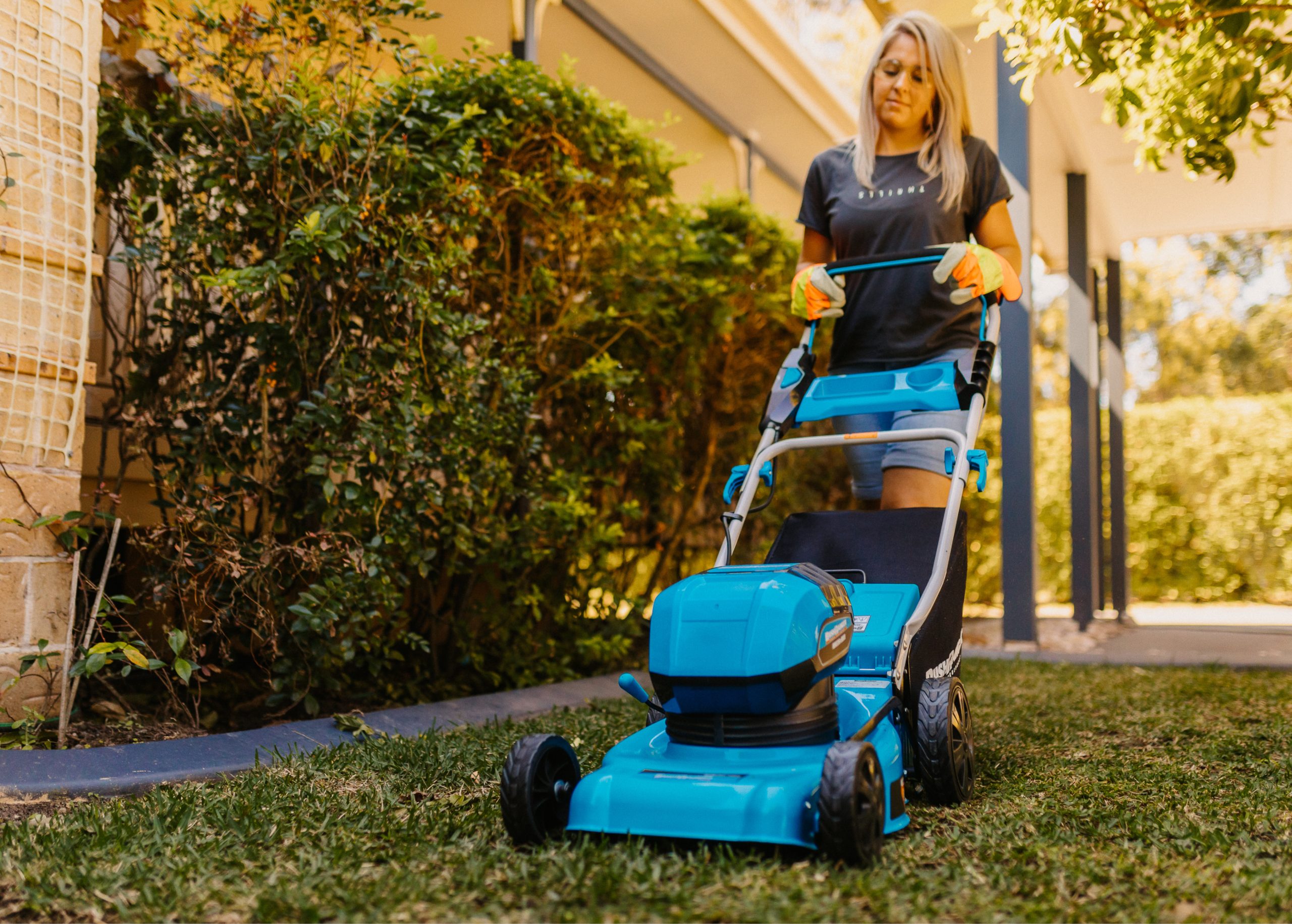 As the name suggests, Push Mowers are manually operated and require the user to push them across the lawn.
They can be completely manual or have a petrol or battery-powered engine, and are typically lightweight and compact, making them easy to manoeuvre and store.
Push Mowers have a set of blades that rotate as you push the mower forward, cutting the grass in their path.
They’re a popular choice for people with smaller lawns or for those who prefer more control over the mowing process.
If your lawn area is bigger than 500 square metres, or you get fatigued when mowing, you might prefer a self-propelled mower.
There’s a Guide to Push Mowers here.
What are Ride-on Lawn Mowers?
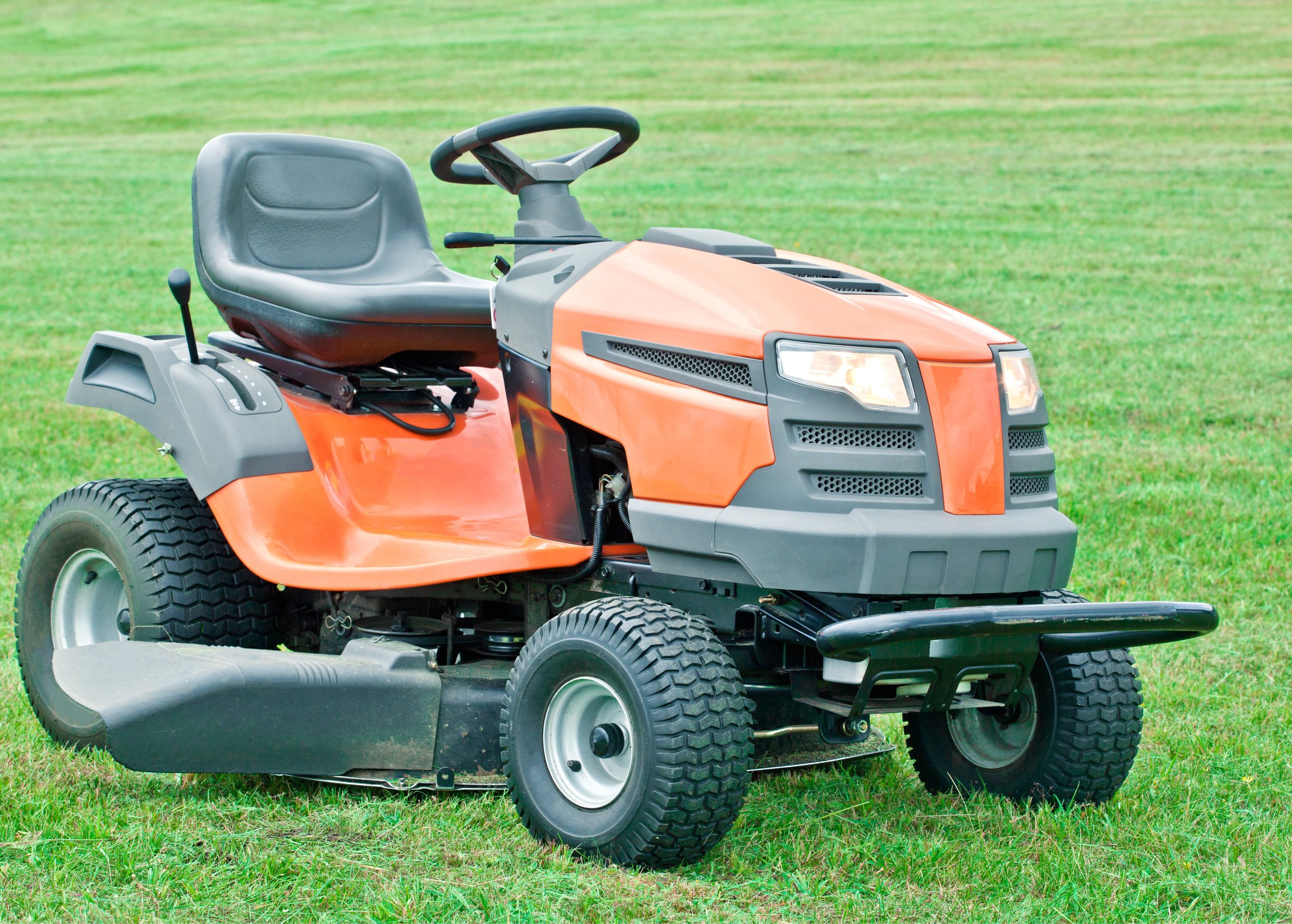 Ride-on Mowers are a step up from Push Mowers and favoured by people with larger lawns, more than 1000 square metres, or commercial properties to maintain.
They come in a variety of sizes and shapes, with engines mounted at the rear, in front or under the seat, and equipped with a range of features such as cup holders, headlights, USB chargers and even air conditioning in models fitted with a cabin.
Ride-on Mowers are powered by petrol or electricity and can chew their way through large areas of grass quickly and efficiently.
They are especially useful if you fatigue easily or don’t have the strength to push a traditional lawn mower. However, they do tend to be more expensive than Push Mowers, and can require more maintenance.
There’s a Guide to Ride-on Mowers here and a Guide to Zero Turn Mowers here.
Push Mowers vs Ride-On Mowers
There’s a few things to consider when choosing between a Push Mower and a Ride-on Mower.
- Price: Determine your budget and look for a lawn mower that offers the features you want at a price you can afford. Ride-on Mowers are much more expensive ($2000-$25,000) than Push Mowers ($169-$500).
- Features: Push Mowers tend to be more basic, lacking things like headlights that are common on Ride-On Mowers. Many Ride-On Mowers offer adjustable seats, arm rests and a greater selection of cutting heights.
- Ease of use: Push Mowers are relatively lightweight and easy to store in a small shed or garage, while Ride-on Mowers are much heavier and take up a lot more space.
- Maintenance: All mowers need periodic cleaning to remove clippings and accumulated grease and check that moving parts are working properly. Petrol-powered Push and Ride-on Mowers also will need regular changes of oil, air filter and spark plugs. Blades can be sharpened or replaced.
- Repairs: If your Push Mower needs to go in for a service or repair, most will fold down and fit in the boot of a sedan or the back of an SUV. Ride-on Mowers will need to be transported by trailer or truck.
- Strength: Push Mowers require physical exertion to operate, which can be difficult for some people, especially those with larger lawns to maintain.
- Time saving: Ride-on Mowers, which have more powerful engines, wider cutting decks and bigger fuel tanks, will be much faster at covering large areas of grass than a Push Mower.
- Grass type: Smaller engines, such as those found on Push Mowers, can cope well with finer grasses, such as Couch and Zoysia. When it comes to thicker, wider leaf grasses, such as Buffalo and Kikuyu, look for a mower with an engine that offers more grunt.
- Terrain: Push Mowers can usually go wherever you want to take them, whether your lawn is on flat or hilly ground. Because they’re smaller and lightweight, they’re easier to get into tight spaces or out of an unexpected bog. Some Ride-on Mowers come with four-wheel drive and larger wheels for better traction on slopes and uneven ground.
Final Verdict
If you have a small lawn and are looking for a more environmentally friendly option, an electric Push Mower may be the way to go.
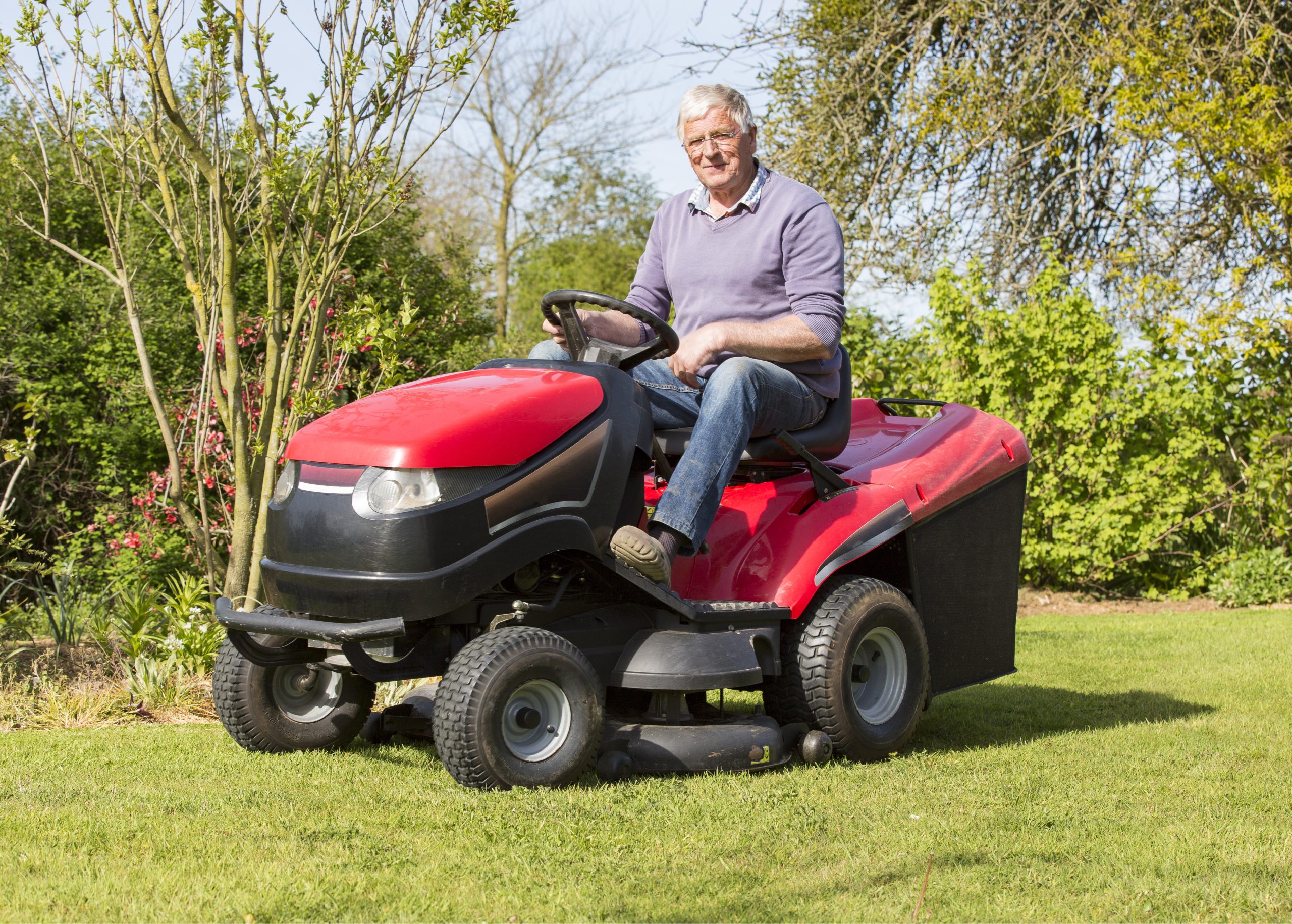 However, if you have a large lawn or commercial property to maintain and are willing to invest in a more expensive but time-saving option, a Ride-on Mower may be the better choice.
Ultimately, the decision comes down to personal preference and needs. Both types of mowers have their own advantages and disadvantages, and it’s important to weigh these carefully before making your decision.
By taking the time to evaluate your needs and consider the various advantages and disadvantages of each option, you can choose the lawn mower that best fits your lifestyle and budget.
If you’re not sure whether a Push Mower or Ride-on Lawn Mower is what you need, take a look at our Lawn Mower Buyers Guide.